Tech Deep Dive: "Unsupportable" Misconceptions in PV Mounting Systems Engineering
Executive Summary: The photovoltaic industry's rapid expansion brings hidden technical risks often overlooked in project planning. This comprehensive analysis debunks four persistent and costly misconceptions about solar mounting systems, revealing why a scientific, full-lifecycle approach is non-negotiable for bankable projects. Insights are drawn from the global engineering experience of Grace Solar, a leader with 48GW of global deployment expertise.
Article Navigation
- Misconception 1: "Just a Support" with Low Tech Complexity
- Misconception 2: Thicker Steel = Better Wind Resistance
- Misconception 3: Lower Mounting Cost = Better Project Economics
- Misconception 4: Thicker Anti-Corrosion Coating is Always Better
- The Grace Solar Approach: Precision Engineering for Lifetime Performance
"In the race for solar LCOE, the mounting system is the silent multiplier—it can either amplify your returns or silently erode them. Engineering, not convention, must lead the way."
The global photovoltaic industry continues its unprecedented growth trajectory, but beneath the surface of this booming market, technical and financial risks persist. Many EPCs, developers, and investors remain influenced by outdated "industry consensus" that can compromise project integrity. Based on real-world project data and engineering analysis from thousands of installations, this article systematically deconstructs four critical misconceptions in photovoltaic mounting systems—a component that accounts for 10-15% of CAPEX but influences 100% of operational safety and performance.
Misconception 1: Mounting Systems Are Merely "Support Structures" with Low Technical Complexity
This is perhaps the most fundamental and dangerous oversight. A photovoltaic mounting system is a dynamic engineering structure, not a passive shelf. It must resolve complex interactions between:
- Structural Mechanics: Dynamic wind loads (uplift, downward pressure, lateral forces), snow loads, seismic activity, and thermal-induced expansion/contraction across hundreds of meters.
- Material Science: Galvanic corrosion between dissimilar metals, aluminum alloy temper selection, steel grade yield strength, and long-term fatigue resistance.
- Environmental Engineering: Site-specific corrosion zones (C1 to C5), soil bearing capacity for foundations, and microclimate effects like frost heave or salt spray.
- System Integration: Compatibility with bifacial modules (requiring specific ground clearances and reflectivity), tracker wiring management, and maintenance access spacing.
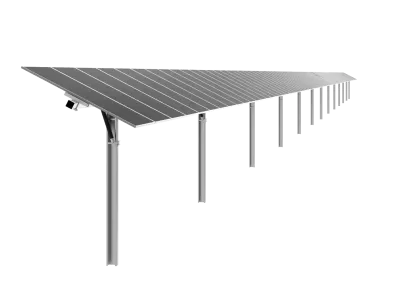
At Grace Solar, this multidisciplinary challenge is met head-on. Our 2000m² Experiment Center and team of engineers conduct finite element analysis (FEA), computational fluid dynamics (CFD), and on-site load testing to validate every design. Our patented connection systems, such as those in the GS-Smart ground mounting system, are designed with precise tolerances (±1mm) to eliminate field guesswork and ensure seamless integration, embodying our core value: "Do it right the first time."
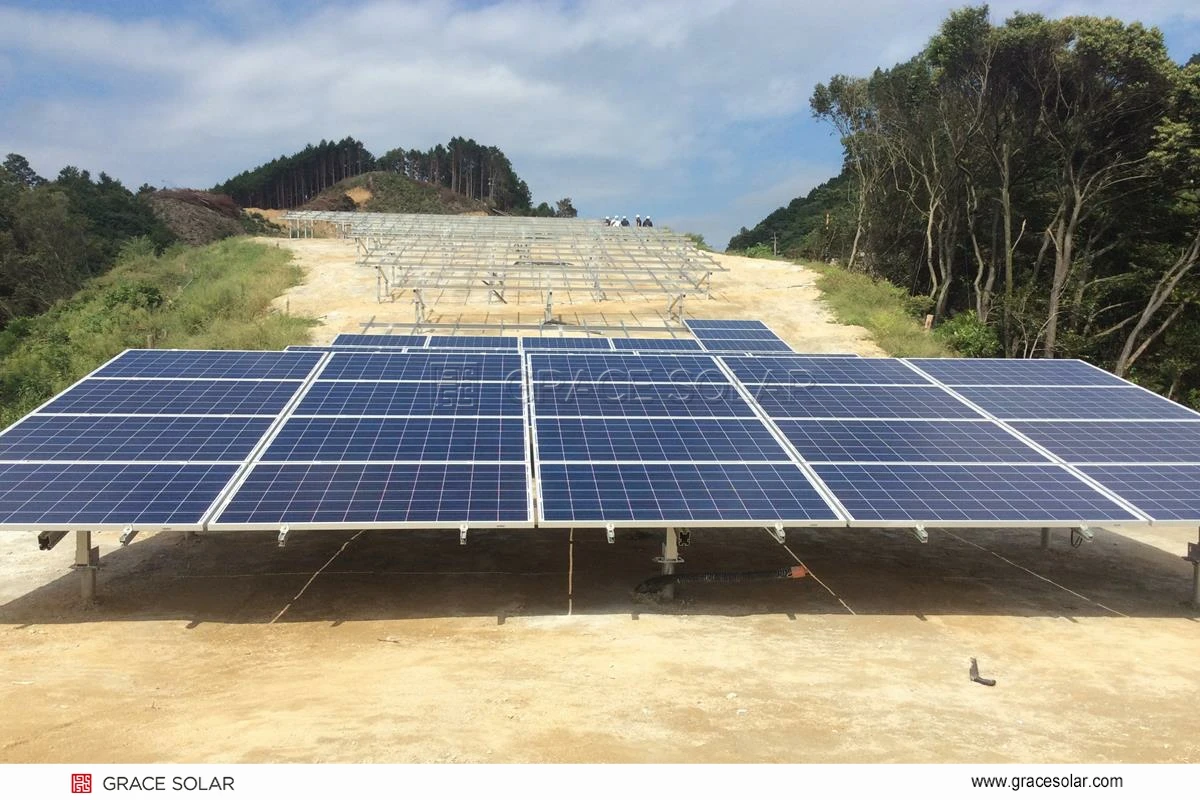
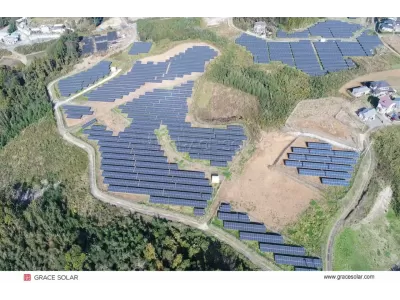
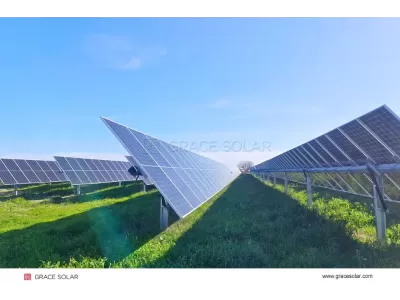
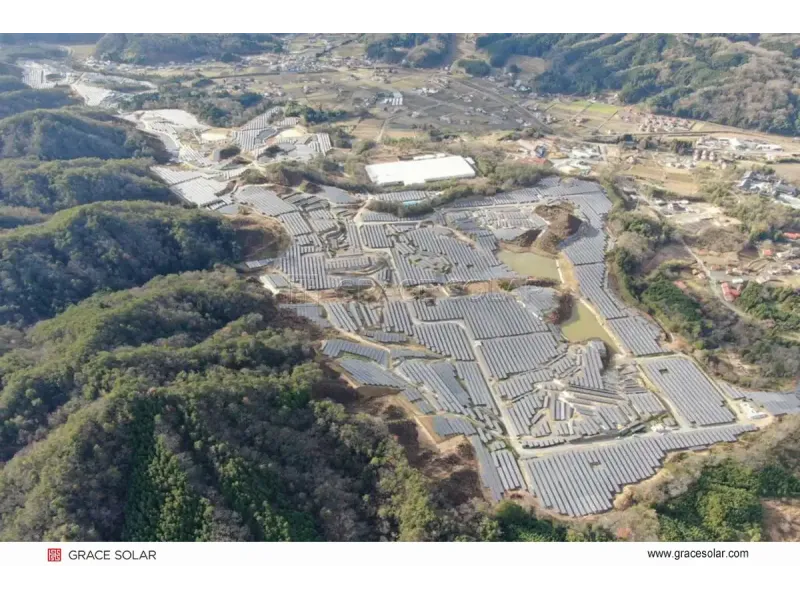
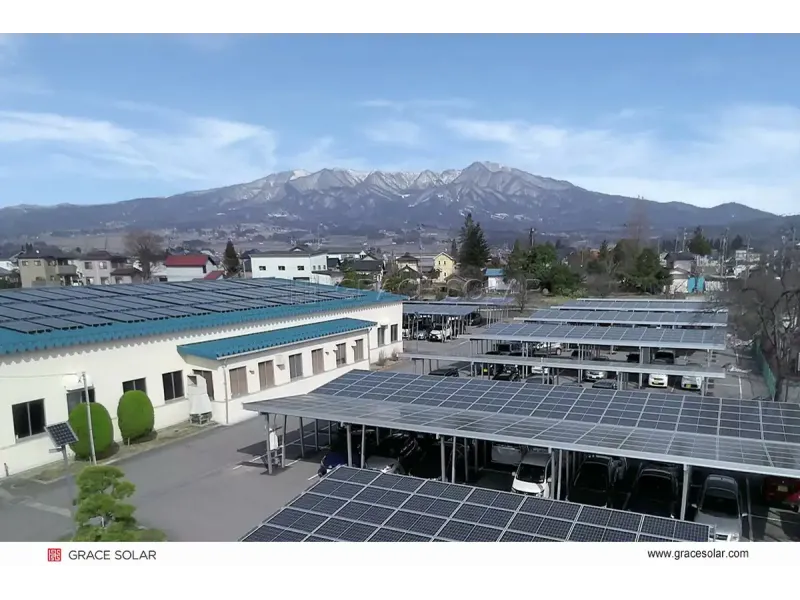
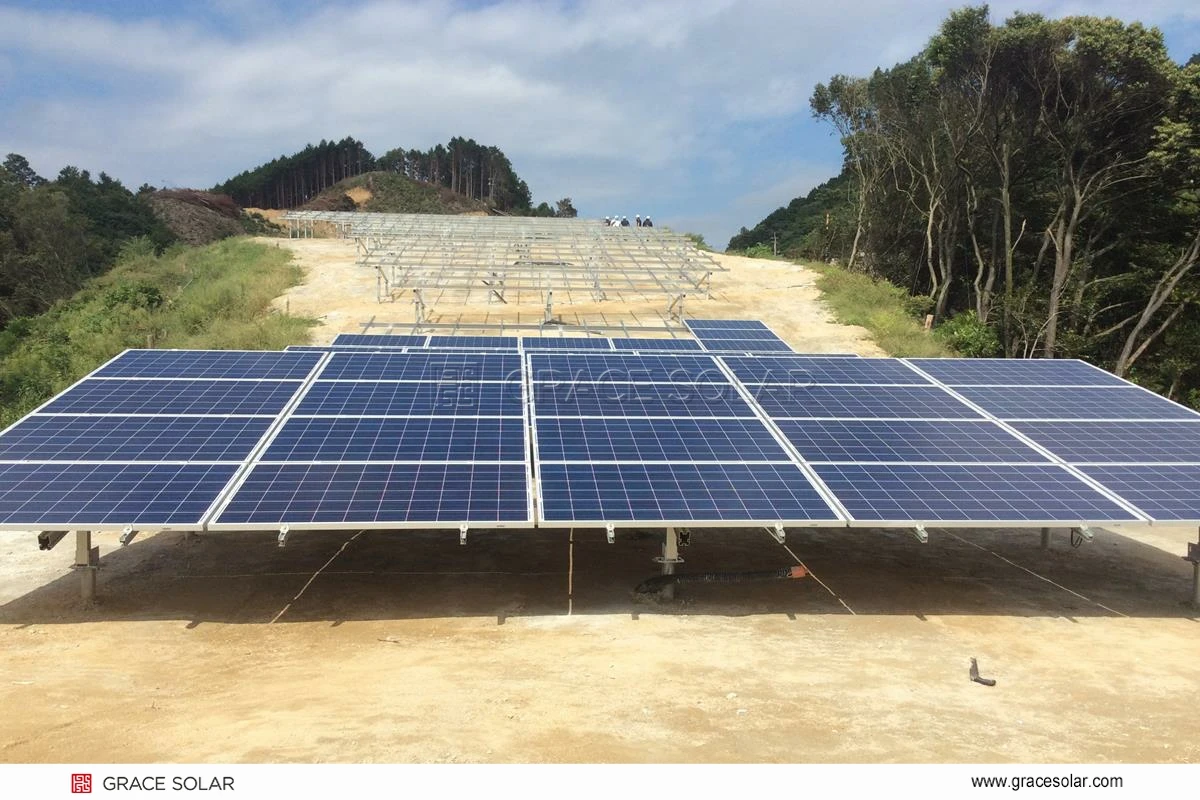
Figure 1: A Grace Solar GS-Smart ground mounting system installation in Ehime Prefecture, Imabari City. Note the precise row alignment and engineered foundations designed for local soil conditions—critical details often overlooked as "simple."
Misconception 2: The Thicker the Steel, the Stronger the Wind Resistance
The instinct to "over-engineer" with thicker materials in high-wind zones is understandable but economically and technically inefficient. Modern wind engineering reveals that aerodynamic profile and structural topology are far more critical than mass alone.
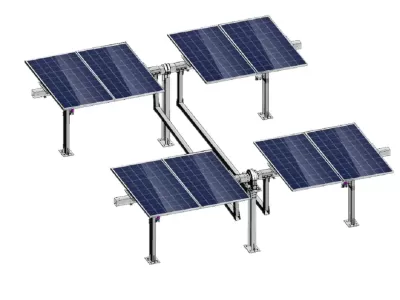
Wind tunnel testing on competing systems shows that a flat, bulky member can create significant vortices and drag, increasing the load it must resist. In contrast, a shaped, streamlined profile—often achievable with high-strength aluminum alloys—can reduce the wind pressure coefficient (Cp) by 30% or more. Grace Solar's design philosophy leverages this principle. For instance, our proprietary airfoil-shaped purlins and torque tubes disrupt laminar wind flow, reducing uplift forces. This allows us to use high-strength, lighter materials that meet or exceed the performance of heavier, conventional designs while reducing freight costs and foundation requirements.
This isn't theoretical. In a recent project comparison in a typhoon-prone region, a Grace Solar lightweight tracker system demonstrated a 22% lower dynamic response in 50-year wind simulation compared to a traditional heavy-steel fixed-tilt system, as verified by third-party Wind Tunnel Test Reports.
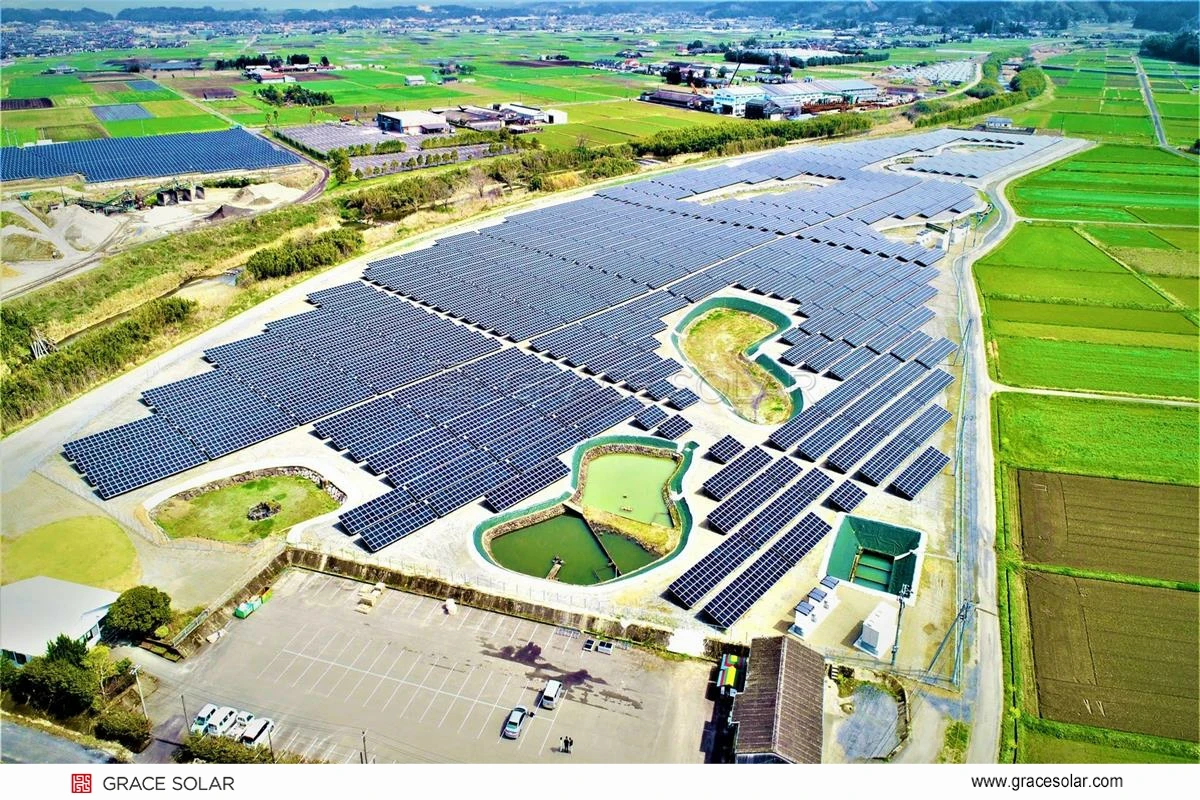
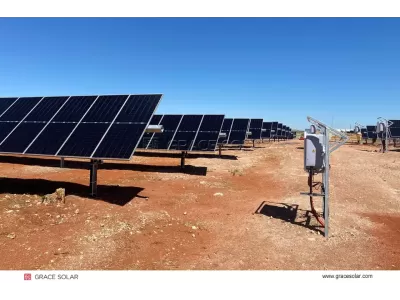
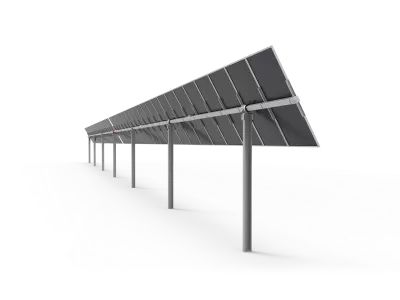
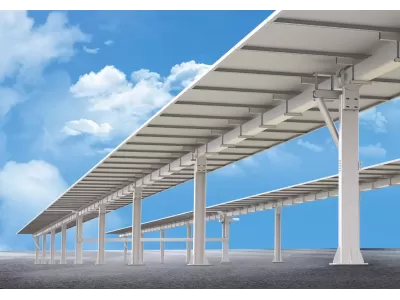
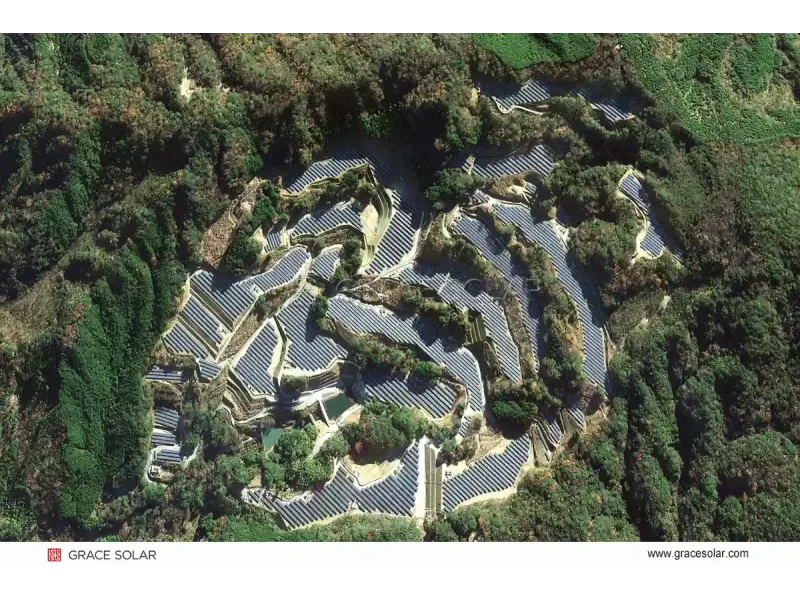
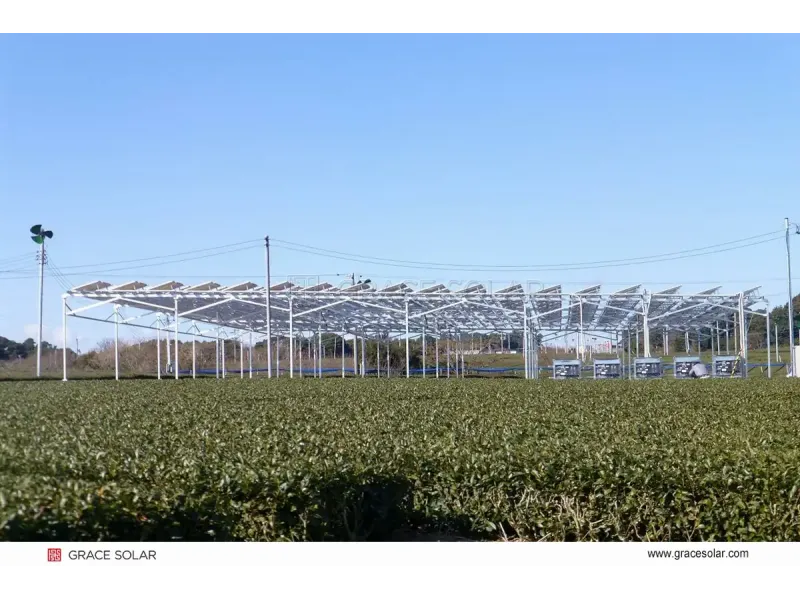
Figure 2: The 5MW GS-Light intelligent tracker system at Oyodo. The single-axis tracker's aerodynamic design minimizes wind loading, while its robust drive system ensures reliability—a testament to engineering over mass.
Misconception 3: The Lower the Mounting Cost, the Better the Project Economics
Procurement teams focused solely on the per-megawatt price of racking are missing the larger financial picture. The true metric is Levelized Cost of Energy (LCOE) over the plant's 25-30 year life. A cheaper, suboptimal mounting system introduces hidden costs across the project lifecycle:
- Installation Cost Overage: Poor tolerances and lack of pre-assembly design can increase installation time by 20-30%.
- Maintenance & Repair: Inferior corrosion protection or structural fatigue leads to premature component replacement, requiring expensive O&M interventions and production downtime.
- Performance Degradation: Inadequate rigidity can lead to module micro-cracks from constant flexing, silently eroding yield.
- Decommissioning Risk: Systems not designed for easy disassembly can significantly increase end-of-life removal costs.
Grace Solar's value proposition is built on optimizing the total lifecycle cost. Our products are engineered for rapid, tool-less installation—some systems boast a 40% reduction in installation time—directly lowering soft costs. Furthermore, our bankability reports and certifications (UL, TUV, JIS, etc.) provide financiers with the confidence needed for competitive project financing, ultimately lowering the cost of capital.
Misconception 4: A Thicker Anti-Corrosion Coating is Always Better
Corrosion protection is not a "more is better" scenario; it's a "right for the environment" science. A 120μm coating in a C2 (low pollution) environment is wasteful. Conversely, that same thickness in a C5-M (high salinity industrial) environment would fail prematurely.
Effective corrosion strategy is a system:
- Material Selection: Choosing between hot-dip galvanized steel (HDG), aluminum alloy, or stainless-steel fasteners based on the corrosivity category.
- Coating Specification: Matching the coating system (e.g., epoxy-zinc primer + polyester topcoat) and its exact thickness to the ISO 12944 corrosivity category.
- Design Details: Avoiding moisture traps, ensuring proper drainage, and isolating dissimilar metals to prevent galvanic corrosion.
Grace Solar provides environmentally tailored solutions. For our projects in coastal Japan, we often employ a specialized duplex coating system (HDG + paint) with precise thickness calibrated for C4/C5 environments. For arid deserts, we focus on UV-resistant coatings and aluminum alloys. This precision avoids both under-protection and cost-ineffective over-protection.
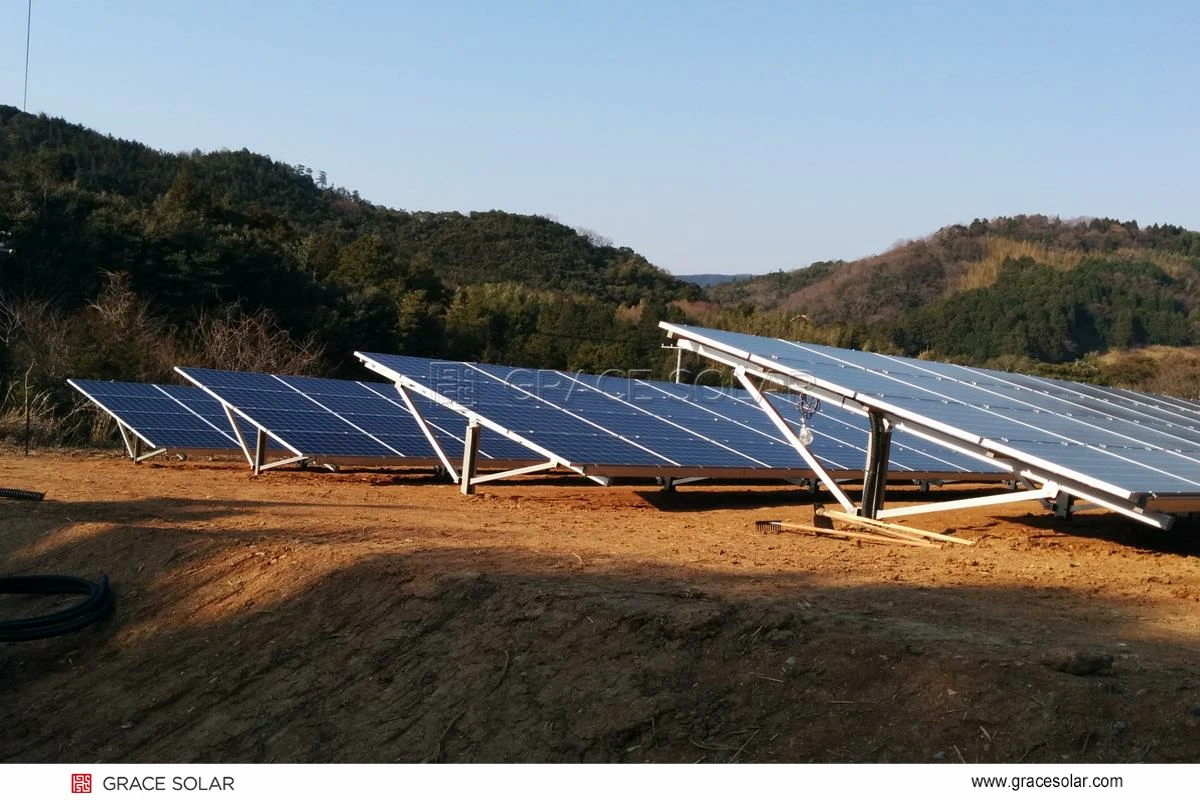
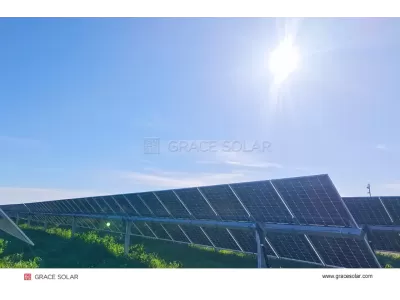
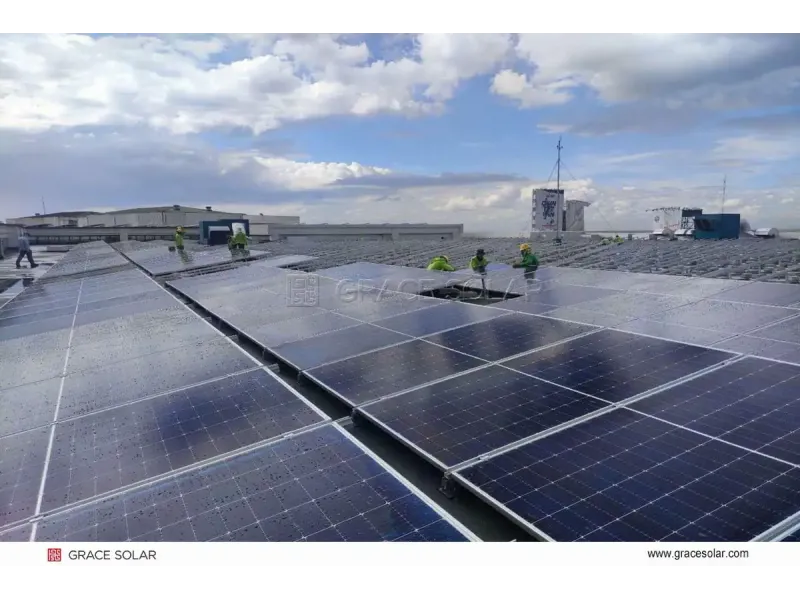
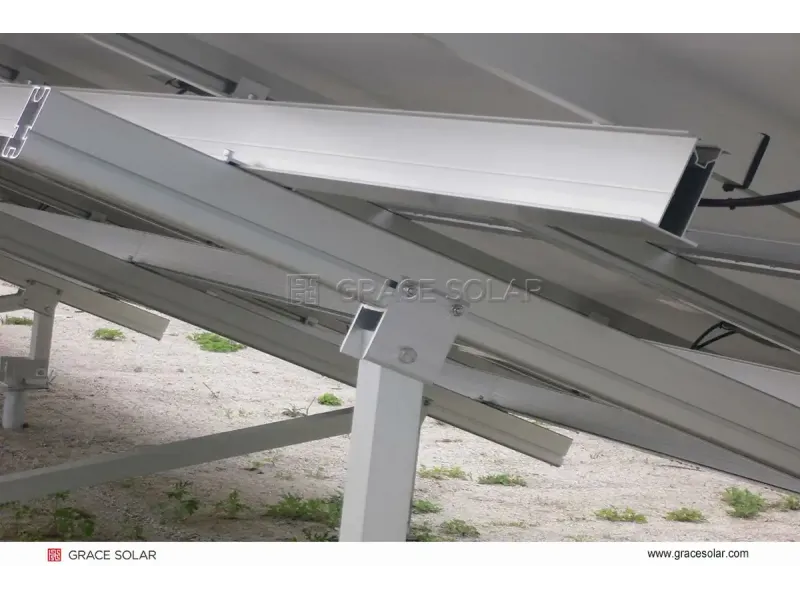
Figure 3: 1.8MW ground-mounted system in Shimane Prefecture. Close-up details reveal the site-appropriate corrosion protection and clean, durable construction that ensures long-term performance with minimal maintenance.
The Grace Solar Approach: Precision Engineering for Lifetime Performance
Moving beyond misconceptions requires a partner grounded in engineering rigor and global project experience. Grace Solar—ranked among the top 5 globally in mounting system market share and #1 in Japan—is built on this foundation. Our enterprise mission, "Mount every solar plant firm as rock, bring more profits from the sun," is realized through:
Systems Engineering
Viewing the mounting system as an integrated structural-electrical-environmental system, not a commodity. Our GS-Light tracker with AI backtracking is a prime example.
Global Calibration
With 650+ staff and projects in 100+ countries, our designs are refined by real-world data from diverse environments—from Middle Eastern deserts to North European snowfields.
Validation & Trust
Our 2000m² Experiment Center and comprehensive certification portfolio (UL, TUV, JIS, MCS) provide third-party validation, delivering the bankability required for large-scale project financing.
Choosing a mounting system is one of the most consequential technical decisions in a solar project. It determines the plant's resilience, longevity, and ultimate financial return. By partnering with a technology-driven engineering partner like Grace Solar, developers and EPCs can replace costly misconceptions with data-driven confidence, ensuring their assets are built on a foundation of rock-solid engineering for decades of optimal performance.
Ready to Engineer Your Project's Foundation?
Discuss your specific site conditions and project goals with our engineering team. Let us provide a solution optimized for performance, not just price.
Contact Grace Solar Engineers
/Aluminum%20alloy%20solar%20ground%20mount%20system%20for%20residential%20solar%20panels-400x300w.webp "A-Type Ground Mounting System - Landscape Placement (Aluminum Alloy)")
/Modular%20ground-mounted%20solar%20structure%20with%20corrosion-resistant%20coating-400x300w.webp "A-Type Ground Mounting System - Landscape Placement (Aluminum Alloy)")
/Adjustable%20tilt%20angles%20on%20Grace%20Solar%20landscape%20mounting%20system-400x300w.webp "VV-Type Ground Mounting System - Landscape Placement ( Aluminum alloy )")
/Commercial-scale%20solar%20farm%20using%20VV-Type%20landscape%20placement-400x300w.webp "VV-Type Ground Mounting System - Landscape Placement ( Aluminum alloy )")
/N-Type%20Aluminum%20Solar%20Ground%20Mounting%20System%20with%20Adjustable%20Tilt-400x300w.webp "N-Type Ground Mounting System - Landscape Placement ( Aluminum alloy )")
/Residential%20Ground%20Mount%20System%20with%200-60°%20Tilt%20Adjustment-400x300w.webp "N-Type Ground Mounting System - Landscape Placement ( Aluminum alloy )")
/W-Type%20aluminum%20solar%20mounting%20system%20structural%20detail-400x300w.webp "W-Type Ground Mounting System - Landscape Placement ( Aluminum alloy )")
/Ground%20screw%20foundation%20installation%20for%20Grace%20Solar%20racking-400x300w.webp "W-Type Ground Mounting System - Landscape Placement ( Aluminum alloy )")
/Adjustable%20solar%20ground%20mount%20system%20on%20snowy%20mountain%20with%2055%20Angle%20tilt_-400x300w.webp "Adjustable Ground Mounting System - Portrait Placement ( Carbon steel )")
/Engineer%20assembling%20Grace%20Solar's%20portrait%20ground%20mount%20in%20typhoon%20area_-400x300w.webp "Adjustable Ground Mounting System - Portrait Placement ( Carbon steel )")