Table of Contents
The Core Challenge of Solar Power
Solar panels are a proven technology for generating clean, abundant electricity. However, their fundamental characteristic—they only produce when the sun shines—creates a timing mismatch with energy demand. Peak consumption in homes typically occurs in the early morning and evening, while grid-wide peaks often stretch into the late afternoon and evening when solar output is declining. This disparity makes energy storage not just beneficial but essential for maximizing the value of a solar investment.
Effective storage acts as a buffer, transforming solar from an intermittent source into a dispatchable and reliable 24/7 power solution. The benefits are multi-layered: for homeowners, it means lower electricity bills by using stored solar power during expensive peak-rate periods, and uninterrupted backup power during grid outages. For utilities and grid operators, large-scale storage is crucial for balancing supply and demand, integrating higher percentages of renewables, and maintaining grid stability and resilience.
Methods of Storing Solar Energy
The "best" storage technology is context-dependent, varying by scale, required discharge duration, geography, and budget. The global market utilizes a portfolio of solutions, each with its strengths. The following table provides a high-level comparison of the leading technologies:
| Technology | Best Suited For | Key Advantages | Considerations |
|---|---|---|---|
| Lithium-Ion Batteries | Residential, Commercial, Short-duration grid storage (1-4 hrs) | High energy density, fast response, modular, scalable, declining cost | Upfront cost, lifecycle management, resource supply chain |
| Pumped Hydro Storage | Utility-scale, Long-duration storage (6-24+ hrs) | Very large capacity, long lifespan, low operational cost | Geographic constraints, high upfront capital, long development time |
| Flow Batteries | Commercial & Utility-scale, Long-duration storage (4-12+ hrs) | Long cycle life, power & capacity decoupled, safe chemistry | Lower energy density, higher upfront system cost, complexity |
| Thermal (Molten Salt) | Concentrated Solar Power (CSP) plants | Integrated storage & generation, proven in CSP | Only applicable to thermal solar plants, not PV |
1. Battery Storage (Electrochemical)
This category represents the fastest-growing segment of the storage market, driven by advancements in chemistry and manufacturing scale. Batteries are uniquely positioned to serve applications from a few kilowatt-hours (kWh) in a home to multi-megawatt-hour (MWh) grid installations.
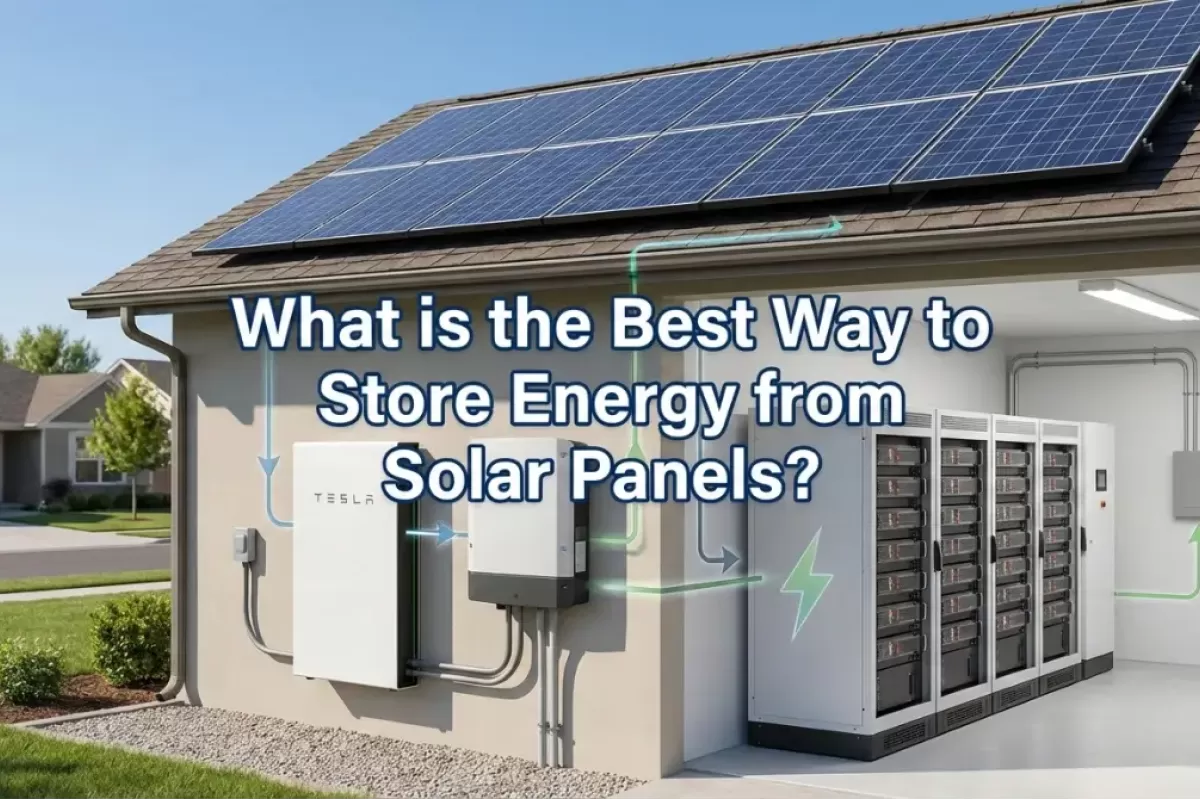
- How it Works: Excess solar electricity (DC) drives a chemical reaction within the battery cells to store energy. An inverter converts the stored DC energy back to AC power when needed.
- Key Technologies:
- Lithium-Ion (Li-ion): The dominant technology for home solar energy storage and front-of-the-meter projects. Subtypes like Lithium Iron Phosphate (LiFePO4) are favored for stationary storage due to their superior thermal stability, safety, and long cycle life (often over 6,000 cycles).
- Flow Batteries: Energy is stored in liquid electrolytes contained in external tanks. Their capacity is easily scaled by increasing tank size. Vanadium redox flow batteries are a common commercial technology, ideal for applications requiring daily, deep cycling over decades.
2. Mechanical Storage
These are some of the oldest and most proven forms of large-scale energy storage, leveraging the physics of potential and kinetic energy.
- Pumped Hydro Storage: This method accounts for over 90% of the world's current grid storage capacity. It is the workhorse for long-duration storage, offering unparalleled capacity and cost-effectiveness at scale, but new projects face significant permitting and environmental hurdles.
- Compressed Air Energy Storage (CAES): A promising technology for large-scale, long-duration storage where suitable geological formations (like salt caverns) exist. Advanced Adiabatic CAES (AA-CAES) systems aim to capture and reuse the heat generated during compression, improving overall efficiency.
3. Thermal Storage
Primarily paired with Concentrating Solar Power (CSP) plants, thermal storage allows solar heat to be captured during the day and used to generate electricity for hours after sunset, effectively making solar thermal power a baseload-capable resource.
Choosing the Best Way for Your Needs
Selecting the optimal storage solution requires a clear analysis of your primary objective. The decision-making framework differs significantly between individual consumers and large project developers.
For Homeowners
The decision almost always centers on a lithium-ion home battery system. The evaluation should focus on:
- Financial Drivers: Analyze your utility's rate structure (Time-of-Use rates, demand charges, net metering policy). Calculate the potential bill savings from peak shaving and self-consumption.
- Resilience Needs: Determine which critical circuits (refrigeration, lighting, medical equipment) you need to backup and for how long to size the battery appropriately.
- System Compatibility: Ensure the battery is compatible with your existing or planned solar inverter (AC-coupled or DC-coupled).
For Project Developers & EPCs
Utility-scale and commercial storage projects involve more complex technical and economic modeling:
- Use Case & Value Stack: Define the primary revenue stream: energy arbitrage, frequency regulation, capacity firming, or transmission deferral. Many projects pursue multiple value streams.
- Technology & Duration: Match the technology to the required discharge duration. Lithium-ion is standard for 2-4 hour systems, while flow batteries or CAES may be optimal for 8+ hour needs.
- Balance of System (BOS) & Infrastructure: This is critical. The structural mounting, thermal management, safety systems, and electrical integration are foundational to project success, impacting cost, safety, and performance over the 20+ year project life.
Enabling Large-Scale Storage: The Infrastructure Foundation
The rapid deployment of grid-scale Battery Energy Storage Systems (BESS) requires more than just battery cells. It demands robust, engineered infrastructure that ensures safety, stability, and longevity. This is where specialized expertise in heavy-duty structural design becomes paramount.
Companies with deep experience in solar mounting systems, like Grace Solar, naturally extend their engineering prowess to this adjacent field. Having delivered over 48GW of solar mounting solutions globally, the transition to supporting BESS infrastructure involves applying similar principles of load calculation, corrosion resistance, and precision manufacturing to a new set of challenges.
Key infrastructure solutions that facilitate large-scale storage deployment include:
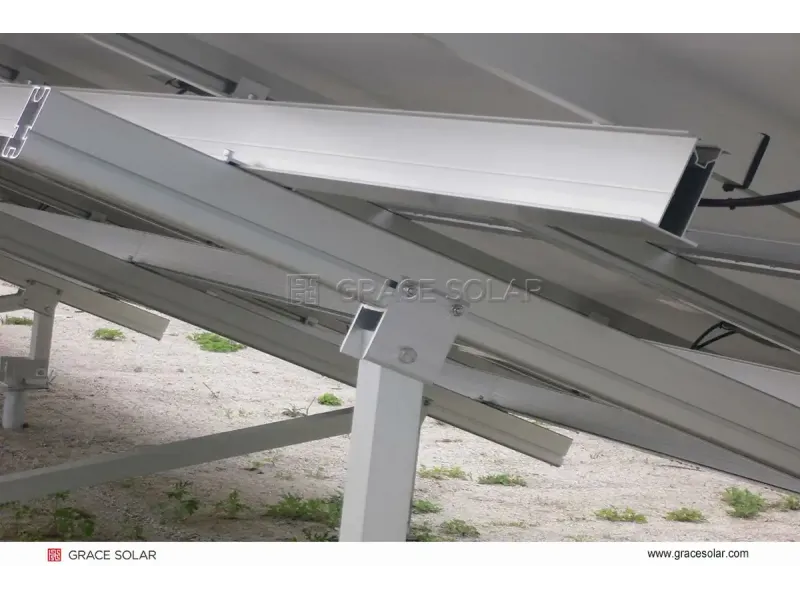
- Engineered BESS Mounting Frames: Custom-designed, high-strength carbon steel structures that securely house battery modules or containers. These frames are designed for specific wind and seismic loads, provide essential ventilation pathways for thermal management, and allow for accessible maintenance, directly contributing to system safety and performance.
- Acoustic & Security Barrier Systems: Perimeter solutions that mitigate operational noise for nearby communities while also serving as a physical security layer and wind load reducer for the storage equipment.
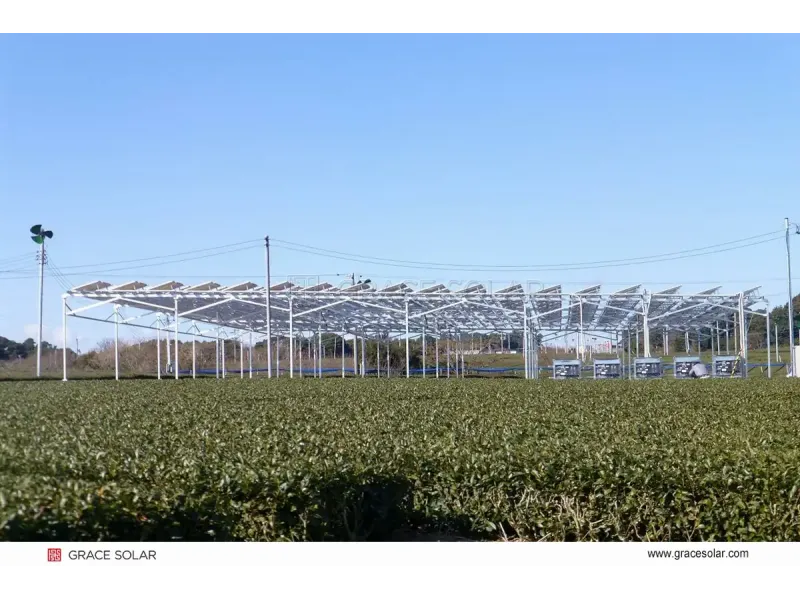
- Integrated Solar-Canopy Solutions: Mounting systems that install solar panels directly above storage containers. This dual-use of space generates additional clean energy while providing shade, which can significantly reduce the thermal load on the containers beneath, lowering cooling energy consumption and improving battery efficiency and lifespan.
For developers and EPC contractors, partnering with an infrastructure provider that understands both the structural and electrical context of BESS projects is crucial. Contact us to discuss custom energy storage mounting and enclosure solutions tailored to your project's specifications and local code requirements.
Frequently Asked Questions (FAQ)
Q: What's the typical lifespan of a home solar battery, and what's the warranty?
A: Most reputable lithium-ion home batteries have an expected lifespan of 10-15 years. Warranties typically guarantee a certain retained capacity (e.g., 70%) after 10 years or a specified number of full charge cycles (e.g., 6,000-10,000 cycles).
Q: Is pumped hydro storage still relevant with the rise of batteries?
A: Absolutely. While batteries excel at short-duration, fast-response services, pumped hydro provides massive energy capacity for long-duration storage (days or weeks). They are complementary technologies; a balanced grid portfolio will need both.
Q: What are the key safety standards for large-scale BESS installations?
A: Safety is paramount. Key standards include NFPA 855 (Standard for the Installation of Stationary Energy Storage Systems), IEC 62933, and local building/fire codes. These cover spacing, fire suppression, thermal runaway propagation control, and emergency response planning. A robust structural design is the first layer of safety, ensuring physical stability and proper spacing.
Q: Can I retrofit storage to my existing commercial solar array?
A: Yes, through AC coupling. A new, separate storage inverter and battery system can be connected to the AC side of your existing solar system. This is a common approach but requires a detailed engineering study to ensure grid interconnection compatibility and optimal system control.
Conclusion: The journey to find the best way to store solar energy leads to a diversified answer. For residential energy independence and backup, lithium-ion batteries are the clear and continually improving solution. For the stability of the wider electrical grid, a mix of large-scale battery storage, pumped hydro, and emerging long-duration technologies will be essential. The successful deployment of these grid-scale solutions hinges on reliable, safety-focused infrastructure—the mounting, enclosures, and integration expertise that forms the backbone of any major energy project. By understanding the full spectrum of storage options and the critical supporting infrastructure, stakeholders can make informed decisions to build a more resilient and sustainable energy future.
Explore our comprehensive solar and storage support solutions for your next project.
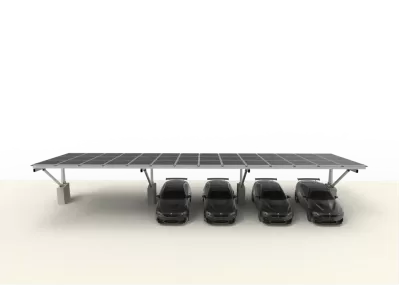
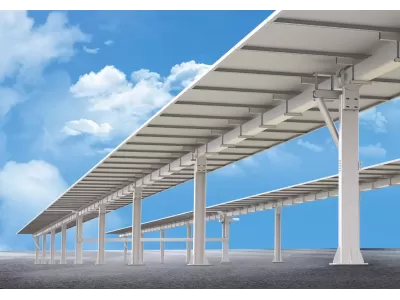
/Al-Zn-Mg%20coated%20piling%20structure%20for%20extreme%20weather%20resistance_-400x300w.webp "Double Column Piling Ground Mounting System - Portrait Placement ( Carbon steel )")
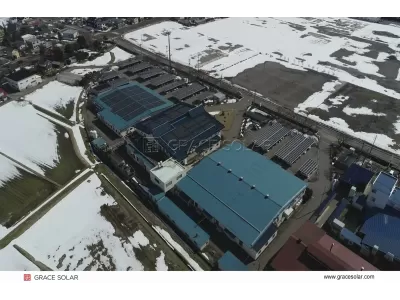
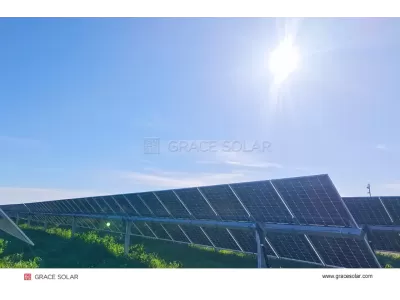
/Double-column%20carbon%20steel%20solar%20ground%20mount%20system%20with%20portrait%20panel%20arrang_-400x300w.webp "Double Column Piling Ground Mounting System - Portrait Placement ( Carbon steel )")
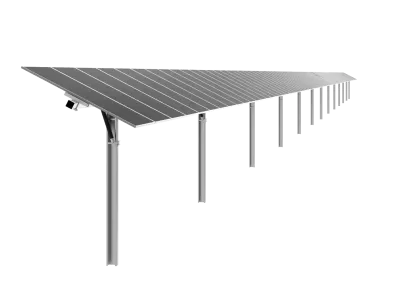
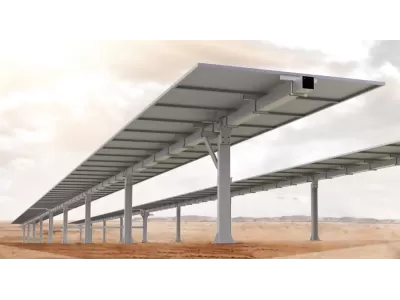
/Aluminum%20alloy%20solar%20ground%20mounting%20system%20on%20sloped%20terrain_-400x300w.webp "Single Column Piling Ground Mounting System - Landscape Placement ( Aluminum alloy )")
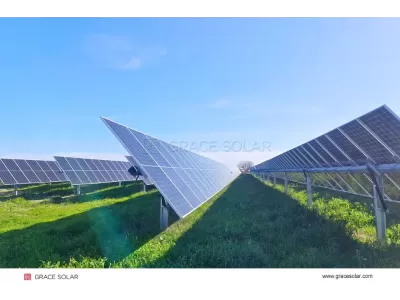
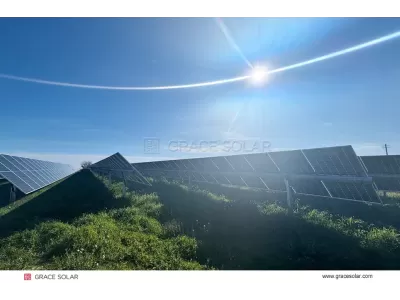
/Single-column%20piling%20foundation%20for%20landscape-friendly%20solar%20installation_-400x300w.webp "Single Column Piling Ground Mounting System - Landscape Placement ( Aluminum alloy )")