Table of Contents
As the global energy transition accelerates, solar photovoltaic (PV) mounting systems have evolved from simple supports into critical components determining plant efficiency, safety, and levelized cost of energy (LCOE). With rooftop PV installations surging—driven by decentralization and zero‑carbon commitments—the mounting industry is undergoing a profound transformation. This white paper explores the 2025‑2026 trends in solar roof mounting technology, materials science, and market dynamics, and highlights how leading manufacturers like Grace Solar are shaping the future with smart, certified solutions.
1. Global Market Overview & Growth Drivers
According to the latest industry forecasts, the global solar PV mounting market is projected to reach USD 15.54 billion in 2025 and USD 16.17 billion in 2026, with a CAGR of 4.5% through 2035. This expansion is fueled by the soaring share of distributed generation: rooftop PV accounted for nearly 50% of new installations in major markets like China, where annual distributed additions are projected to peak at 160 GW in 2025. Regionally, Asia‑Pacific dominates, holding 53.9% of the global market by 2035. Countries such as Japan, Australia, and India are not only high‑volume adopters but also innovation hubs.
The mounting system typically represents about 16.3% of total PV system cost, but its influence on LCOE extends far beyond initial expenditure. Properly engineered racking reduces installation time, maximizes energy yield through optimal orientation, and minimizes maintenance over 25‑30 years. As module prices continue to decline, the relative importance of mounting technology in system optimization grows, driving demand for high‑performance materials and intelligent designs.
2. Advanced Materials: Zn‑Al‑Mg Steel & High‑Strength Aluminum Alloys
The choice of materials for roof mounting systems must balance structural strength, corrosion resistance, weight, and cost. The 2025‑2026 horizon witnesses a decisive shift from traditional hot‑dip galvanized steel to zinc‑aluminum‑magnesium (Zn‑Al‑Mg) coated steel and high‑strength aluminum alloys (6005‑T5/6061‑T6).
Zn‑Al‑Mg: The Self‑Healing Coating
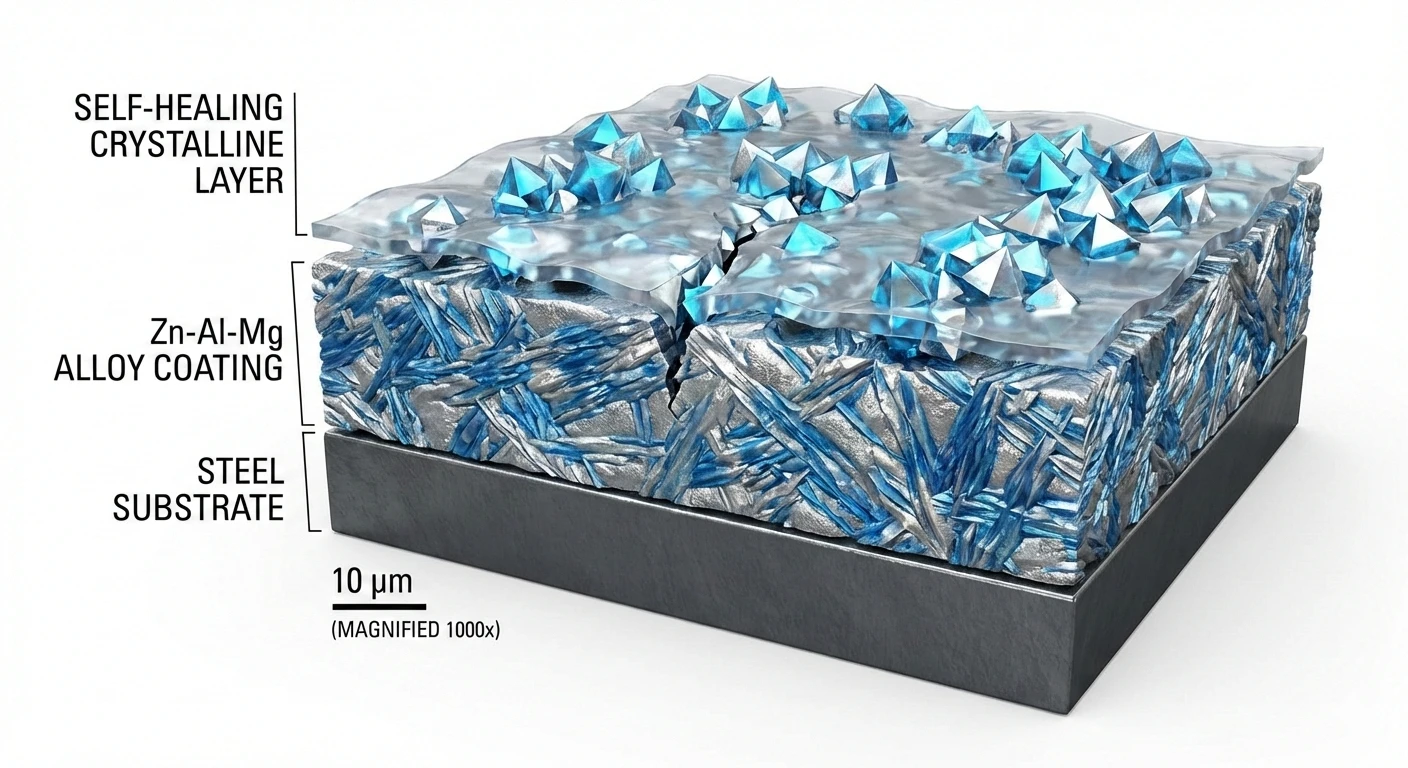
Zn‑Al‑Mg coatings offer 5‑10 times the corrosion resistance of conventional galvanized steel. The mechanism involves the formation of a dense, protective alkaline zinc film containing magnesium and aluminum oxides, which "heals" scratches and cut edges. This self‑healing property is particularly valuable at drilling points and cut ends, common in rooftop installations. The enhanced durability allows for thinner steel profiles, reducing dead load on roofs—a critical advantage for retrofitting industrial buildings. Typical service life in C4 corrosion environments exceeds 35 years.
Aluminum Alloys: Lightweight & Anodized for Longevity
For residential and commercial rooftops, aluminum alloys remain the gold standard. 6005‑T5 offers an excellent strength‑to‑weight ratio with minimum tensile strength of 260 MPa, while 6061‑T6 provides higher strength (290 MPa) for critical connections. To prevent galvanic corrosion when in contact with stainless steel fasteners, industry standards now require AA15 anodized finishes (≥15µm), which create a dielectric barrier. Recent advances in anodizing technology enable uniform coating even on complex extruded profiles, ensuring 25‑year durability under UV and salt spray exposure.
3. Roof‑Specific Solutions: Engineering for Every Surface
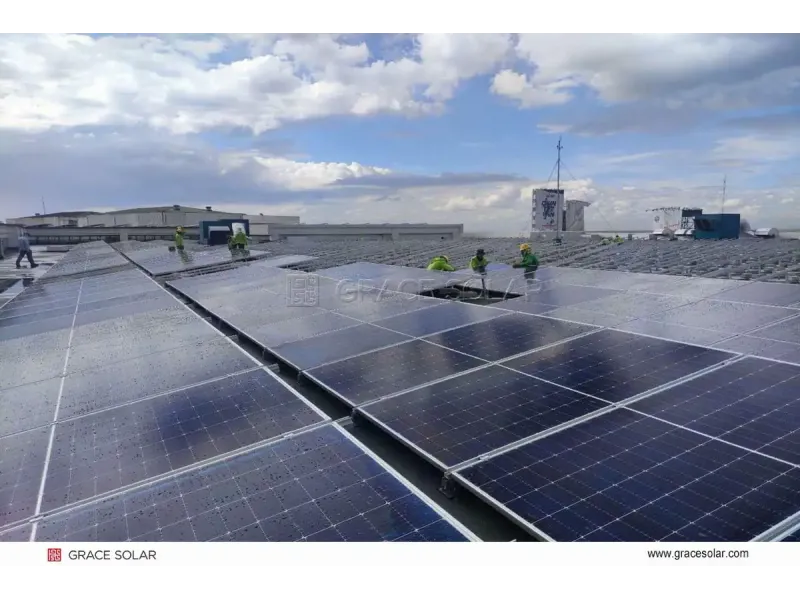
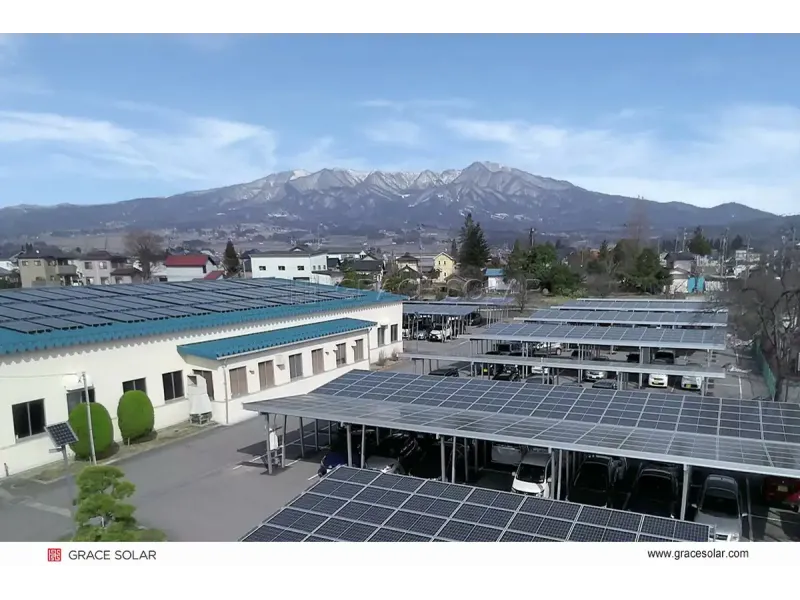
Different roof types demand tailored engineering approaches to preserve building integrity while ensuring structural reliability.
Metal & Standing Seam Roofs
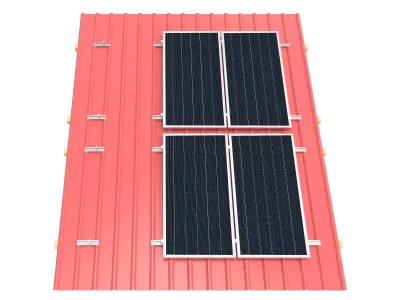
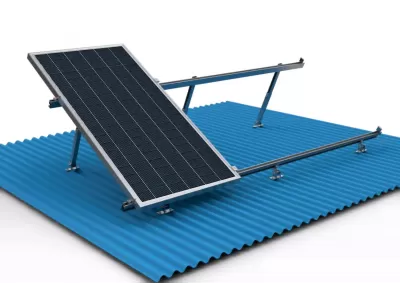
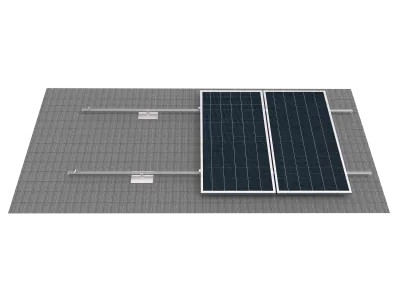
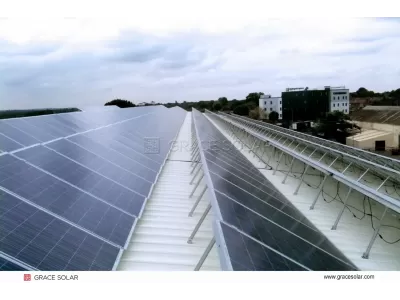
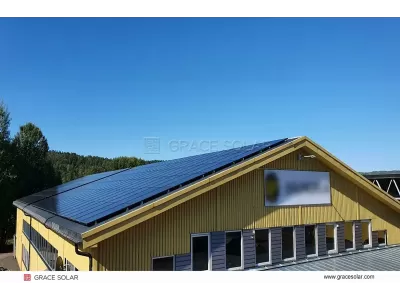
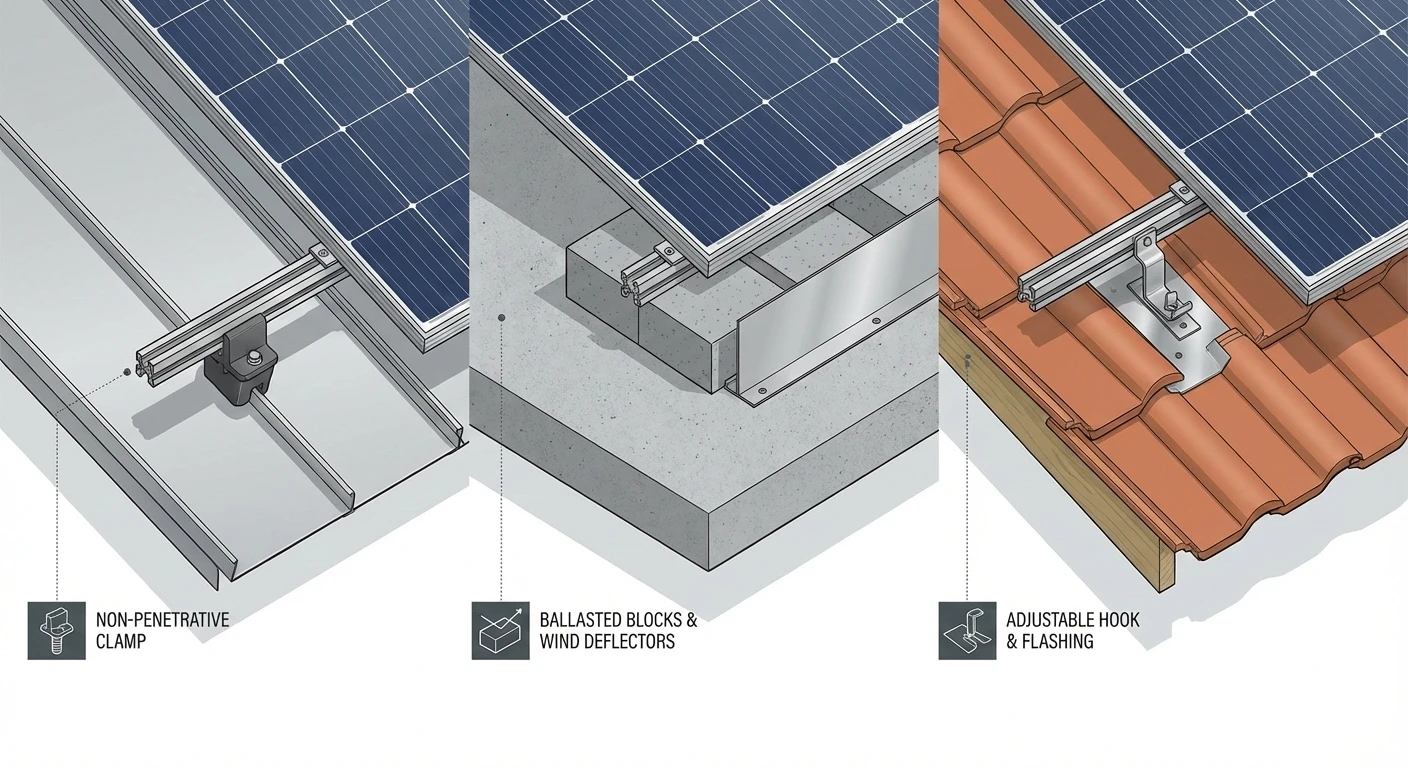
For industrial metal roofs, non‑penetrative clamping has become the industry benchmark. Modern clamps are designed with finite element analysis (FEA) to distribute loads without deforming the seam. Materials such as high‑strength aluminum with EPDM liners accommodate thermal expansion while maintaining friction grip. Wind tunnel tests confirm that properly designed clamps can withstand uplift pressures exceeding 4 kPa (equivalent to 60 m/s wind speeds). For corrugated profiles, advanced flashing‑bolt systems integrate multi‑layer waterproofing with UV‑stable sealing compounds.
Concrete Flat Roofs
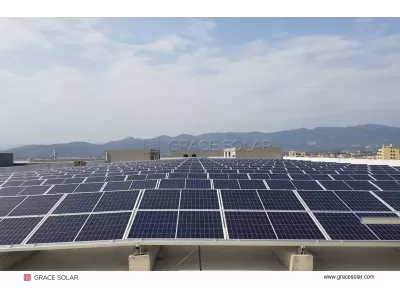
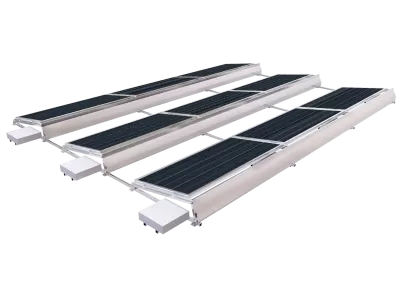
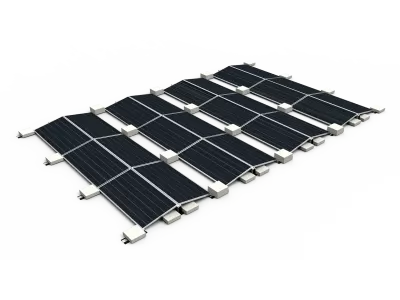
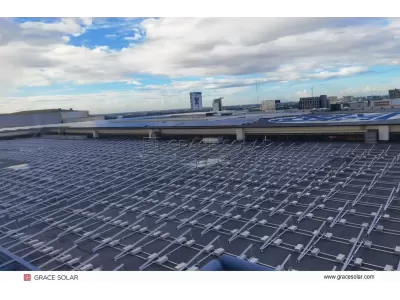
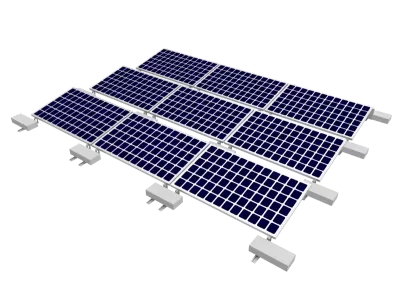
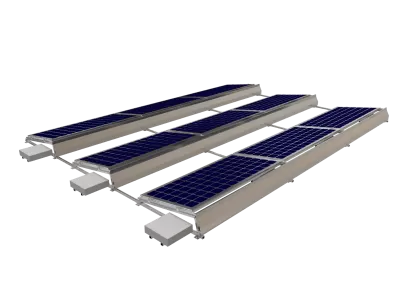
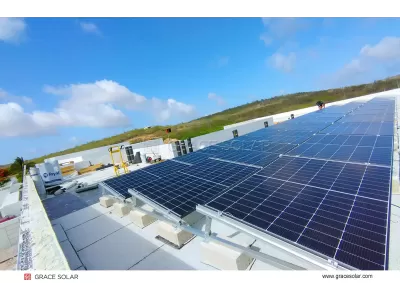
Ballasted systems dominate flat roofs to avoid membrane penetration. The latest innovation uses aerodynamic wind deflectors—small plates placed at the array perimeter that disrupt airflow and reduce uplift coefficients. Computational fluid dynamics (CFD) modeling shows deflectors can lower required ballast weight by up to 30%, reducing static load on the building. Typical load distributions are now kept within 15‑25 kg/m², while tilt angles (10°‑15°) are optimized using irradiance models for each latitude.
Tile & Shingle Roofs
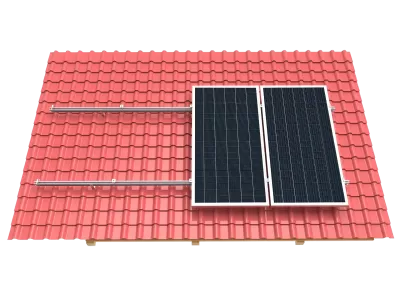
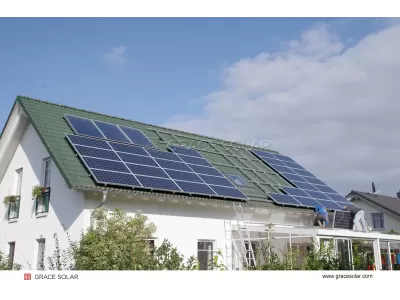
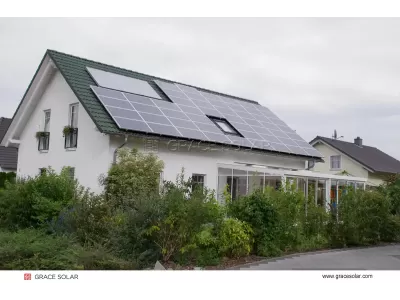
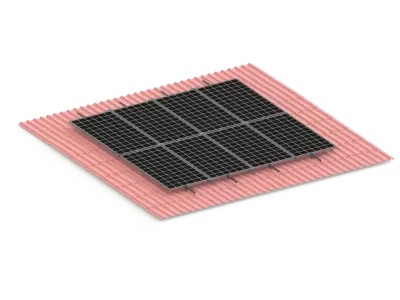
On pitched residential roofs, hook systems must anchor directly to rafters. Adjustable hooks with multi‑directional flexibility compensate for uneven roof surfaces. The latest designs incorporate integrated flashing plates that slide under adjacent tiles, creating a watertight seal without relying solely on sealants. Load path verification ensures that roof structure can support additional snow and wind loads per local building codes (e.g., ASCE 7 in the US, Eurocode in Europe).
4. Tracking Systems on Commercial Roofs
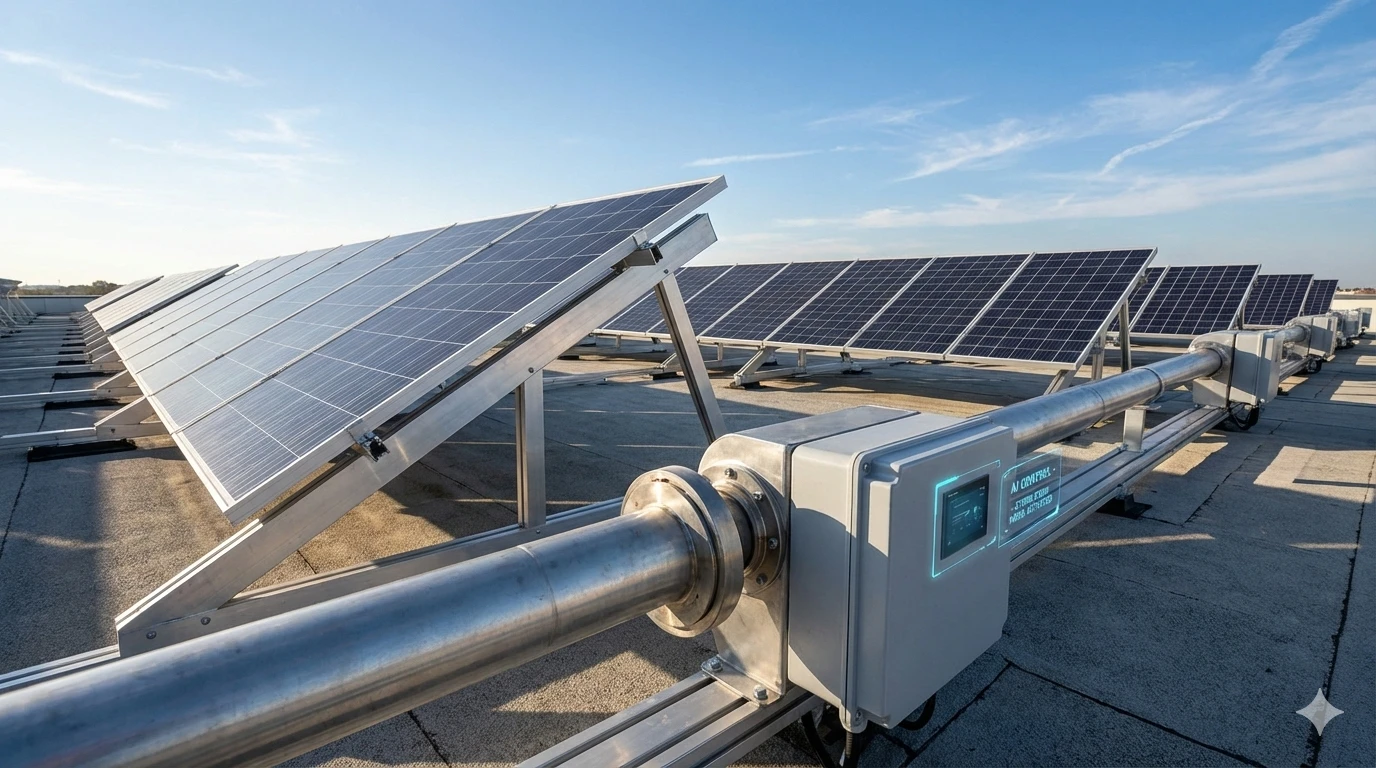
Once reserved for ground‑mount utilities, single‑axis tracking systems are rapidly penetrating the commercial & industrial (C&I) rooftop segment. By 2025, trackers are expected to reach a 72% penetration in new C&I projects, boosting energy yield by 15‑25% compared to fixed structures. Rooftop trackers face unique challenges: limited space, wind turbulence, and roof load constraints.
AI‑Based Control and Backtracking
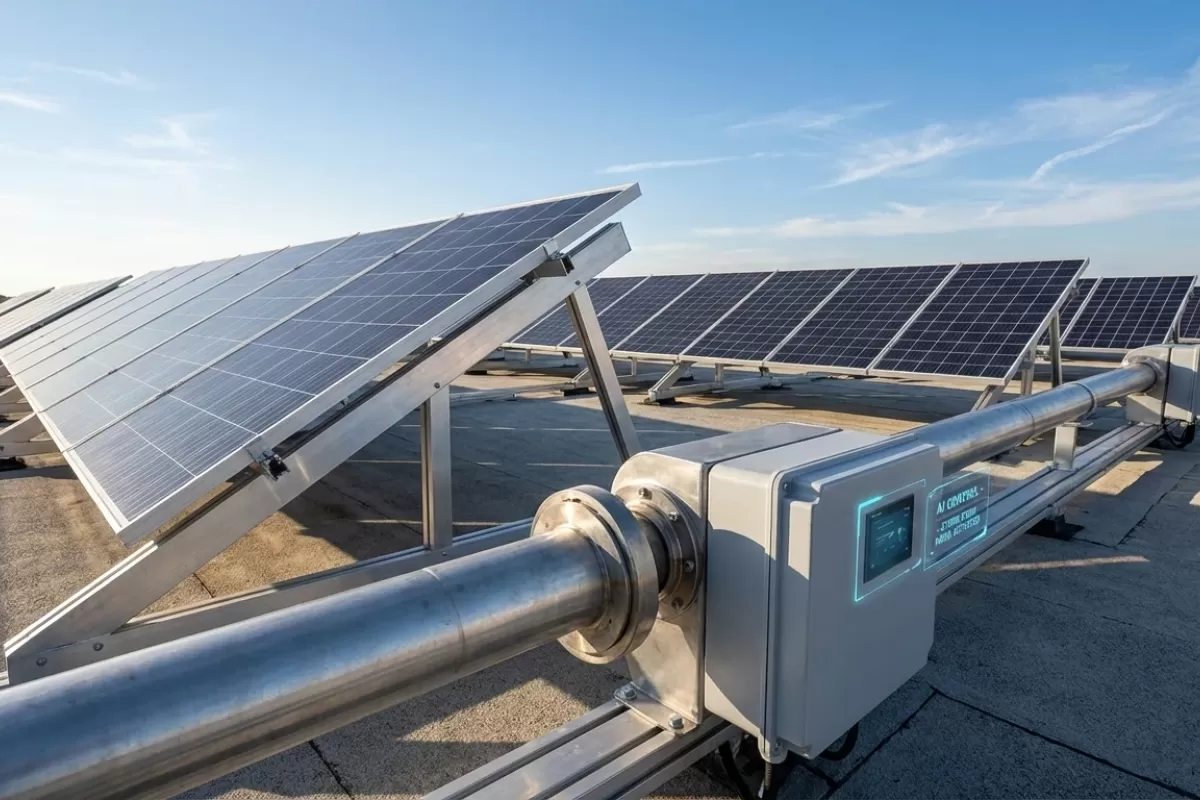
Modern trackers integrate AI algorithms that optimize angles based on real‑time irradiance, cloud movement, and module temperature. Backtracking prevents inter‑row shading in the morning and evening while maximizing diffuse light capture. To mitigate wind loads, intelligent trackers incorporate a “storm stow” mode: at wind speeds above a threshold, the system automatically rotates to a flat or near‑flat position, reducing drag. This feature, validated by wind tunnel testing, allows for lighter structural designs compared to fixed tilt systems that must withstand peak gusts.
Structural Considerations
Rooftop trackers typically use a central torque tube supported by multiple bearings on elevated rails. Finite element analysis ensures that natural frequencies avoid resonance with building vibrations. Dynamic load testing simulates 25‑year fatigue, confirming connection integrity. With typical tracking accuracy of ±0.5°, these systems maximize energy capture while maintaining reliability.
5. Structural Design & Aerodynamic Innovations
The shift toward larger modules (550W+, 700W+) increases wind loads due to greater surface area. Modern structural design goes beyond simple strength calculations to wind effect control—shaping components to actively manage airflow.
Aerodynamic Profiling
By incorporating perforated edges or curved deflectors into rail profiles, designers can reduce lift coefficients by 20‑30%. Wind tunnel studies with scaled models validate these effects, leading to optimized ballast requirements. Digital twin technology now allows real‑time monitoring of structural health: strain gauges at critical nodes feed data into cloud‑based models that predict fatigue and issue maintenance alerts.
Seismic Considerations
In seismic zones, mounting systems must accommodate building movement without transferring excessive forces to modules. Base isolators and sliding connections are increasingly used. Performance‑based design per ASCE 7‑22 ensures that systems remain functional after design‑basis earthquakes.
6. Policy & Grid Integration Challenges
As distributed PV penetration rises, grid operators impose new requirements. In China, for example, “red zones” with saturated distribution networks now mandate 10‑20% storage capacity for new rooftop projects. This has spurred development of integrated mounting solutions that include battery tray supports and cable management for DC‑coupled storage. Additionally, electricity market reforms require PV systems to adjust output based on price signals; tracking systems with smart controllers can tilt modules to reduce generation during negative pricing periods, enhancing economic returns.
Internationally, compliance with diverse building codes remains a barrier. Manufacturers must navigate UL 2703 (US), IEC 62817 (trackers), JIS C 8955 (Japan), and AS/NZS 1170 (Australia). Third‑party certifications and wind tunnel reports are essential for project financing.
7. Sustainability & Lifecycle Management
With the solar industry focusing on circular economy, mounting systems—as major consumers of steel and aluminum—are under ESG scrutiny. Design for disassembly is becoming standard: fully bolted connections (no welding) enable easy material separation at end‑of‑life. Using recycled steel and aluminum reduces carbon footprint significantly: recycling steel saves 1.5 tons CO₂ per ton, aluminum up to 16 tons CO₂ per ton. Some manufacturers now publish Environmental Product Declarations (EPD) for their racking, helping developers meet green building certifications like LEED and BREEAM.
Long‑life materials like Zn‑Al‑Mg and anodized aluminum further enhance sustainability by extending replacement intervals. Predictive maintenance using IoT sensors can identify corrosion or fatigue early, preventing premature replacement.
8. Industry Application: Grace Solar’s Certified Solutions
Grace Solar, with 48GW cumulative installations and a top‑5 global market share, exemplifies the integration of these advanced technologies. Its GS‑Light Intelligent Tracking System incorporates AI‑based backtracking, storm stow, and ±0.5° accuracy, certified by UL, TUV, and backed by bankability reports. The GS‑Energy roof mounting series offers tailored solutions for metal, tile, and flat roofs using 6005‑T6 aluminum with AA15 anodizing and stainless steel fasteners, meeting JIS, MCS, and CE standards. All systems are designed for fast assembly, reducing labor costs by up to 40% with pre‑assembled kits. With a 2000m² R&D lab and 100+ patents, Grace Solar continues to innovate in materials, aerodynamics, and digital integration.
For project‑specific requirements, the company’s engineering team provides terrain analysis, structural calculations, and certification support within 30 minutes—ensuring that every installation is “firm as rock” for decades.
Customized Solar Mounting Solutions – 30‑Minute Response
Our native‑language engineers (EN/中文/日本語/ES/PT) deliver terrain analysis, cost optimization, and international certifications in 30 minutes. Comply with codes for Asia, EU, Americas, Africa, Oceania.
Get Your Free Consultation →