
Table of Contents
What Does MPPT Stand For?
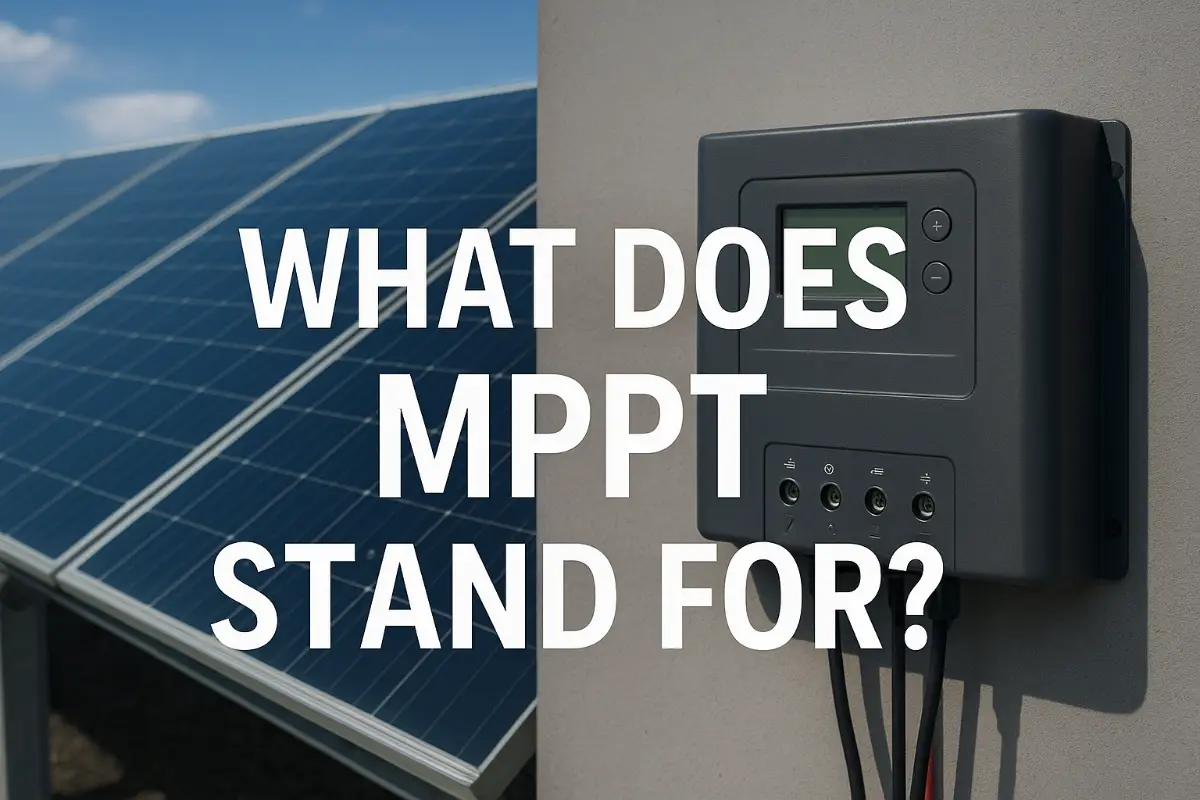
MPPT stands for Maximum Power Point Tracking, an advanced electronic technology that optimizes the match between solar panels and the battery bank or utility grid. This sophisticated algorithm continuously monitors and adjusts the electrical operating point of photovoltaic (PV) modules to extract the maximum available power under varying environmental conditions.
Think of MPPT as an intelligent "automatic transmission" for your solar power system. Just as a car's transmission adjusts gear ratios to maintain optimal engine performance across different speeds and terrains, MPPT technology dynamically adjusts voltage and current levels to ensure your solar panels operate at their peak efficiency point regardless of sunlight intensity, temperature changes, or shading conditions.
The technology was developed to solve a fundamental challenge in solar energy systems: solar panels have a specific voltage at which they produce maximum power, but this "sweet spot" constantly changes throughout the day due to environmental factors. Without MPPT, much of the potential energy generation would be lost as panels operate away from their optimal power point.
How MPPT Technology Works
The Science Behind Maximum Power Point
Solar panels have a non-linear power output characteristic that creates a specific point on the current-voltage (I-V) curve where power output is maximized. This Maximum Power Point (MPP) constantly shifts due to:
- Changing sunlight intensity throughout the day and seasons
- Temperature variations affecting panel performance (higher temperatures generally reduce voltage output)
- Partial shading from clouds, trees, or structures creating "hot spots"
- Seasonal sun angle changes affecting irradiance levels
- Aging and degradation of solar cells over time
Real-Time Optimization Process
MPPT controllers employ sophisticated algorithms like Perturb and Observe (P&O) or Incremental Conductance to:
- Continuously sample panel voltage and current output hundreds of times per second
- Calculate instantaneous power (Watts = Volts × Amps)
- Adjust the electrical load to find the optimal operating point
- Convert excess voltage into additional charging current through DC-DC conversion
- Maintain optimal performance even during rapid weather changes
This process happens hundreds of times per second, ensuring your system always captures the maximum available energy from sunlight, typically increasing energy harvest by 20-30% compared to non-MPPT systems. The efficiency of modern MPPT controllers ranges from 93-99%, meaning very little energy is lost in the conversion process.
MPPT vs PWM: Key Differences
| Feature | MPPT Controller | PWM Controller |
|---|---|---|
| Efficiency | 93-99% | 70-80% |
| Energy Harvest | Up to 30% more | Basic energy transfer |
| System Size | Ideal for 400W+ systems | Best for small systems |
| Voltage Flexibility | High voltage input to low voltage battery | Panel & battery voltage must match |
| Cost | Higher initial investment | Lower cost |
| Temperature Performance | Excellent in cold conditions | Performance drops in cold weather |
| ROI Timeframe | 2-4 years typically | Immediate but lower overall returns |
The choice between MPPT and PWM ultimately depends on your specific needs, budget, and system requirements. For smaller systems in warm climates with perfect panel-to-battery voltage matching, PWM can be sufficient. However, for most modern solar installations, MPPT provides superior performance and better long-term value.
Benefits of MPPT Technology
Enhanced Energy Production
MPPT controllers can increase energy harvest by 20-45% in winter conditions and 10-15% in summer compared to traditional charge controllers. This boost is particularly valuable during:
- Cold weather when panel voltage increases significantly
- Cloudy or hazy days with fluctuating light conditions
- Early morning and late afternoon low-light conditions
- Periods of partial shading where traditional controllers suffer greatly
Superior System Design Flexibility
MPPT technology enables more flexible system configurations, including:
- Longer wire runs with higher voltage, reducing power loss and wire costs
- Mixed panel orientations and tilt angles on complex roofs
- Larger systems with series-connected panels operating at higher voltages
- Better performance in partially shaded conditions through advanced algorithms
- Compatibility with a wider range of panel technologies and specifications
Faster Return on Investment
While MPPT controllers have higher upfront costs, the increased energy production typically provides a faster payback period, especially in:
- Commercial and utility-scale installations where small efficiency gains multiply
- Regions with high electricity costs where every kWh saved is valuable
- Systems with limited available space where maximizing output per panel is crucial
- Cold climate applications where voltage boosts are most significant
- Areas with time-of-use billing where peak production timing matters
Grace Solar's Approach to MPPT Integration
At Grace Solar, we understand that MPPT technology is only as effective as the solar mounting system that supports it. With over 10 years of experience and ranking among the top 5 in global market share, our engineering philosophy aligns perfectly with MPPT principles: maximizing efficiency and optimizing performance.
Engineered for Optimal Performance
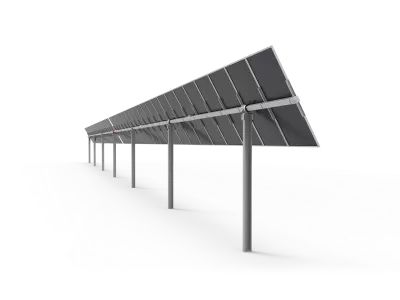
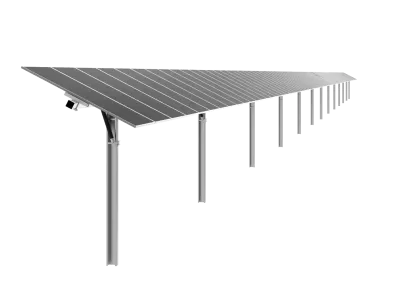
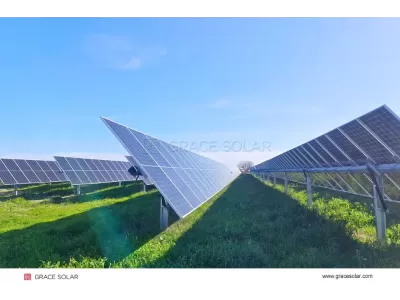
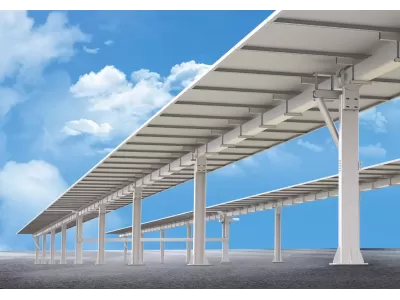
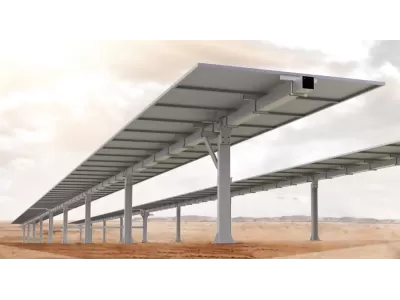
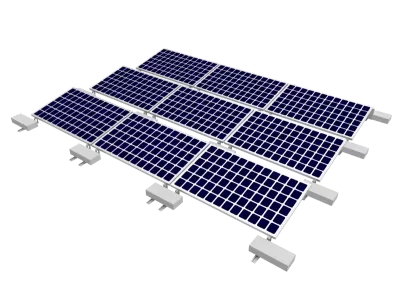
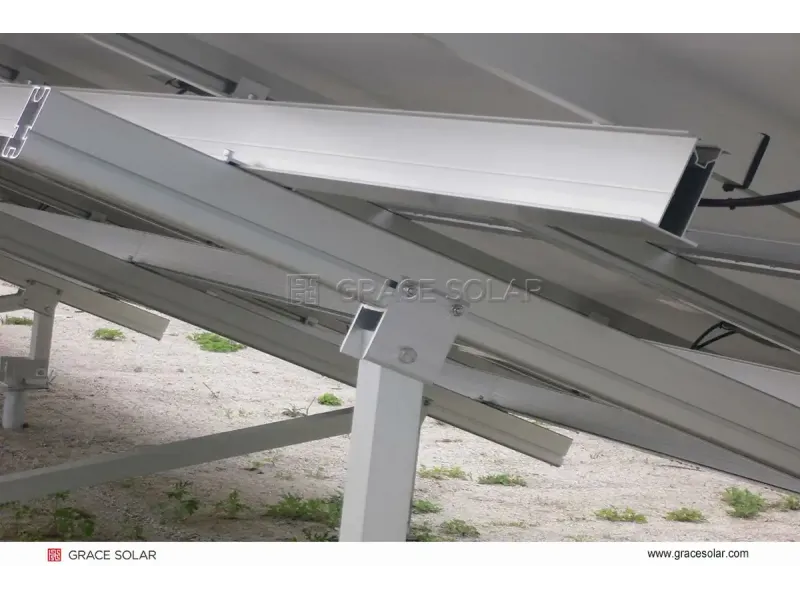
Our GS-Light intelligent tracking systems and GS-Smart ground mounting solutions are designed to complement MPPT technology by:
- Maintaining precise panel alignment for consistent light exposure throughout the day
- Reducing thermal stress through optimal airflow design that keeps panels cooler
- Minimizing shading through strategic system layout and proper spacing
- Ensuring structural integrity in all weather conditions to maintain optimal angles
- Providing stable platforms that prevent micro-cracks and cell damage
Proven Global Experience
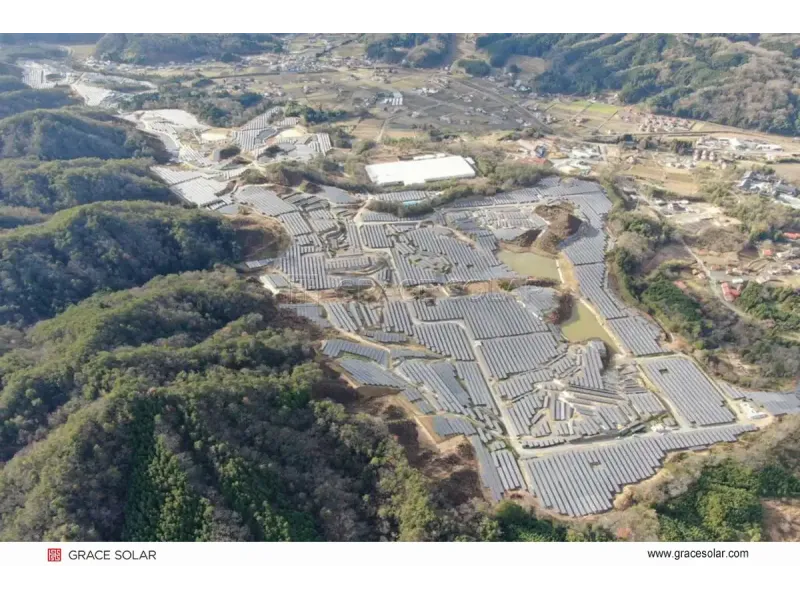
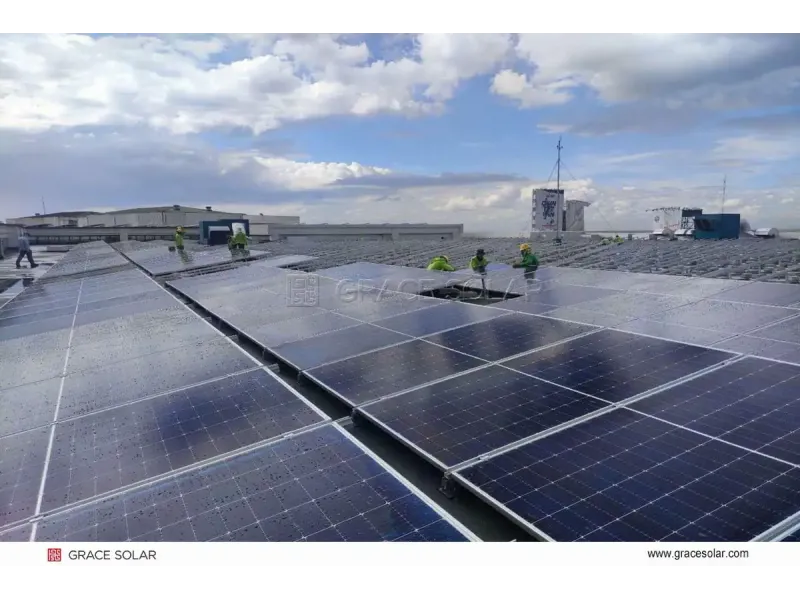
With 48GW of global cumulative installed capacity across more than 100 countries, Grace Solar has demonstrated the real-world benefits of combining advanced mounting systems with MPPT technology. Our commitment to "mount every solar plant firm as rock" ensures that the efficiency gains from MPPT are maintained throughout the system's lifetime.
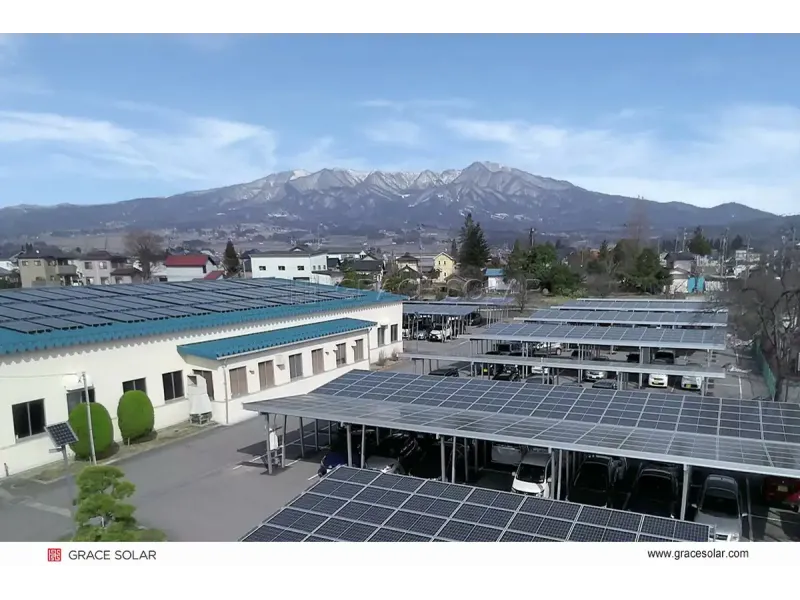
Our position as the top 1 provider in the Japanese market - known for its rigorous quality standards - demonstrates our capability to deliver solutions that maximize the performance of MPPT-equipped solar systems in the most demanding environments.
MPPT Applications in Solar Systems
Residential Solar Systems
For homeowners, MPPT technology means maximizing energy production from limited roof space, reducing electricity bills, and achieving energy independence faster. The technology is particularly beneficial for:
- Homes with partial shading throughout the day from trees or neighboring structures
- Cold climate locations where panel voltage increases significantly
- Systems with battery storage where efficient charging extends battery life
- Mixed-orientation roof installations common in residential settings
- Homeowners seeking to maximize ROI from their solar investment
Commercial and Utility Scale
In large-scale solar projects, MPPT technology delivers significant financial benefits through:
- Higher energy yield per installed watt, improving project economics
- Reduced balance of system costs through higher voltage operation
- Better performance in variable weather conditions common in large installations
- Enhanced monitoring and optimization capabilities for asset management
- Improved performance in uneven terrain or complex site layouts
Off-Grid and Special Applications
MPPT is essential for off-grid systems where every watt of energy matters, including:
- Remote telecommunications and monitoring stations
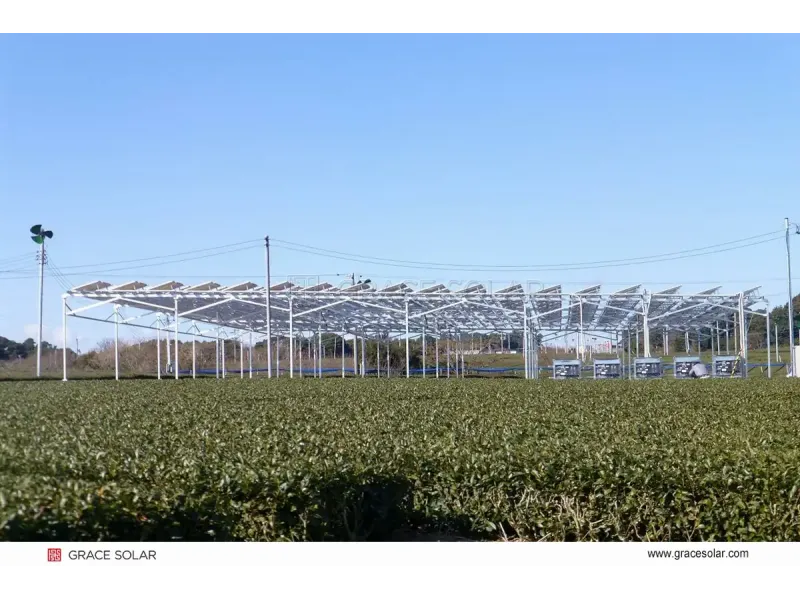
- Agricultural and irrigation systems in remote locations
- Emergency power and backup systems for critical infrastructure
- Mobile and recreational applications like RVs and marine systems
- Scientific research stations in extreme environments
MPPT Frequently Asked Questions
How much more efficient is MPPT compared to PWM?
MPPT controllers are typically 15-30% more efficient than PWM controllers in real-world conditions. The exact improvement depends on factors like temperature, battery state of charge, and environmental conditions. In cold weather, the efficiency advantage can be even greater due to increased panel voltage.
Can MPPT work with any solar panel?
Yes, MPPT technology is compatible with all types of solar panels including monocrystalline, polycrystalline, and thin-film technologies. However, the controller must be properly sized for the panel's voltage and current specifications to ensure optimal performance.
Is MPPT worth the extra cost?
For systems over 400W, MPPT is almost always worth the additional investment. The increased energy production typically pays back the extra cost within 2-4 years, after which you enjoy free additional energy for the life of the system. For smaller systems or in consistently hot climates, PWM may be sufficient.
How does temperature affect MPPT performance?
MPPT controllers perform exceptionally well in cold temperatures because solar panel voltage increases as temperature decreases. This creates more "headroom" for the MPPT to convert excess voltage into additional charging current. In hot conditions, the advantage is smaller but still significant compared to PWM.
Conclusion: Maximizing Solar Potential with MPPT
MPPT technology represents a crucial advancement in solar energy harvesting, transforming how we capture and utilize solar power. By continuously optimizing the match between solar panels and electrical loads, MPPT ensures maximum efficiency and return on investment for solar installations of all sizes.
At Grace Solar, our mission to "bring more profits from the sun" aligns perfectly with the efficiency-boosting capabilities of MPPT technology. Through our innovative mounting solutions and global expertise, we help project developers and system owners worldwide achieve optimal performance from their solar investments.
Whether you're planning a residential rooftop system or a utility-scale solar farm, understanding and leveraging MPPT technology is essential for maximizing your energy harvest and achieving the best possible financial returns from solar power. The combination of advanced MPPT electronics with properly engineered mounting systems from experienced providers like Grace Solar creates the foundation for high-performing, reliable solar installations that deliver maximum value over their operational lifetime.