![Top 10 Solar Companies in Nigeria [Updated 2025]](https://www.bymea.com/image/cache/catalog/Blog/25-12/Top%2010%20Solar%20Companies%20in%20Nigeria-1200x800.webp "Top 10 Solar Companies in Nigeria [Updated 2025]")
Table of Contents
- 1. Nigeria's Solar Market Landscape in 2025
- 2. How We Ranked These Companies
- 3. Top 10 Solar Companies in Nigeria (2025)
- #1: SunKing (d.light) - The Off-Grid Pioneer
- #2: Earthbond - The Digital Connector
- #3: Grace Solar - The Global Technology Supplier
- #4: Arnergy - The Reliable Power Specialist
- #5: Daystar Power - The C&I Leader
- #6: Auxano Solar - The Local Manufacturer
- #7: GVE Projects - The Mini-Grid Expert
- #8: Rubitec - The Utility-Scale Developer
- #9: Havenhill Synergy - The Community Focus
- #10: WiSolar - The On-Demand Utility
- 4. How to Choose the Right Partner for Your Project
- 5. Conclusion: A Market Powered by Diversity
1. Nigeria's Solar Market Landscape in 2025
Nigeria's solar energy sector is undergoing a transformative phase in 2025. Driven by persistent grid instability, rising diesel costs, and strong governmental support for renewables, the market has matured into a multi-layered ecosystem. It's no longer just about buying panels; it's about choosing the right partner within a value chain that spans from international technology manufacturers to local community installers. This year, we see three distinct layers defining the market:
- End-User Solution Providers: Companies that sell and install directly to homes, businesses, and communities (e.g., SunKing, Arnergy).
- Project Developers & EPCs: Firms that engineer, procure, and construct solar projects for clients or their own portfolios (e.g., Daystar Power, Rubitec).
- Global Technology & Manufacturing Suppliers: International companies that supply the high-quality, bankable hardware and expertise that underpin large-scale and reliable solar projects across Nigeria.
The following ranking reflects this holistic view, recognizing companies that serve different critical roles in electrifying Africa's largest economy.
2. How We Ranked These Companies
Our 2025 ranking is based on a composite analysis of market presence (from search visibility and industry reports), business model innovation, technical specialization, and impact on Nigeria's energy transition. We consider both consumer-facing brands and essential B2B suppliers, as a healthy market requires both.
3. Top 10 Solar Companies in Nigeria (2025)
#1: SunKing (d.light) - The Off-Grid Pioneer
A global leader in off-grid solar, SunKing (often associated with d.light) remains a household name in Nigeria for a reason. Its pioneering pay-as-you-go (PAYG) financing model has brought basic solar lighting and power to millions of rural households and small businesses that lack grid access. Their strength lies in last-mile distribution, affordable entry-level products, and a deep understanding of the off-grid consumer.
Ideal for: Rural households, micro-entrepreneurs, and anyone seeking an affordable, entry-level solar home system (SHS) with flexible payment.
#2: Earthbond - The Digital Connector
Earthbond has carved out a unique niche as a digital platform that connects small and medium-sized businesses (SMBs) with financing and vetted solar providers. Instead of being a direct installer, they streamline the process—assessing needs, designing systems, and securing financing—making commercial solar adoption simpler and more accessible for urban SMEs. Their model addresses a key barrier: upfront cost.
Ideal for: Urban small and medium businesses (shops, clinics, offices) looking for a facilitated path to solar with financing options.
#3: Grace Solar - The Global Technology Supplier
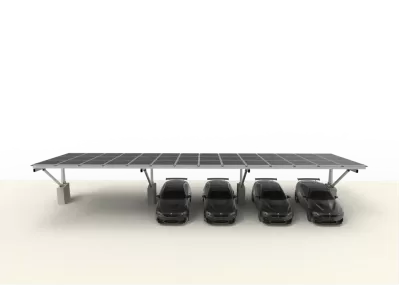
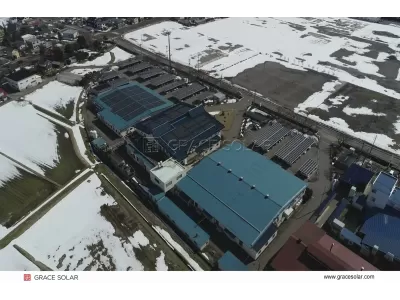
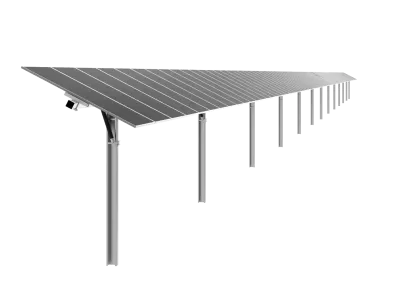
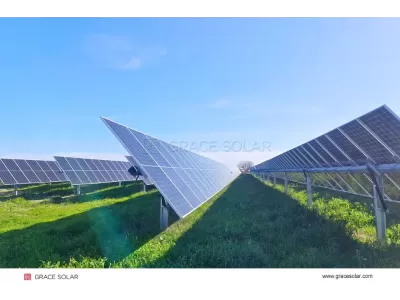
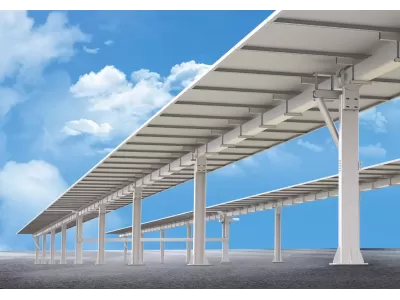
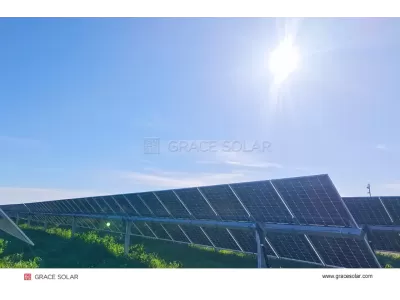
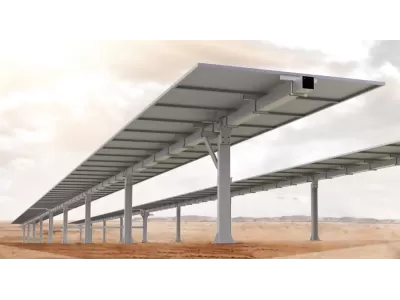
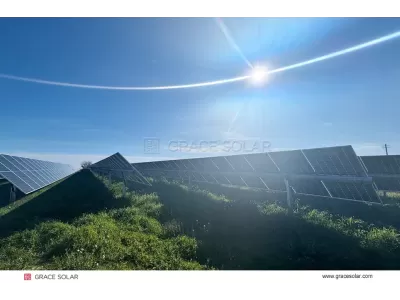
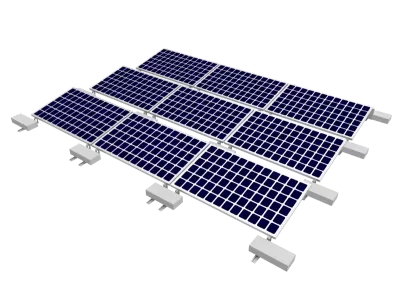
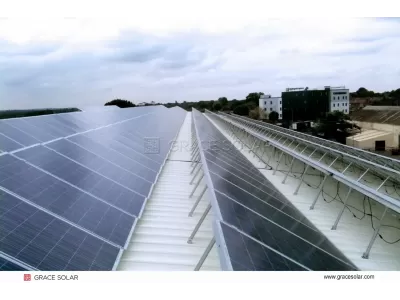
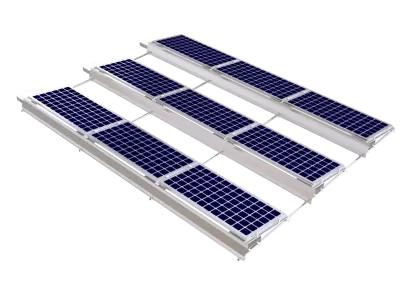
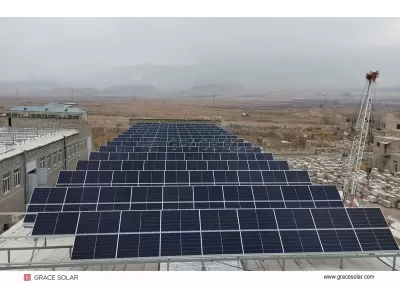
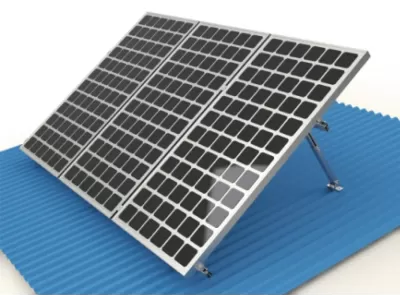
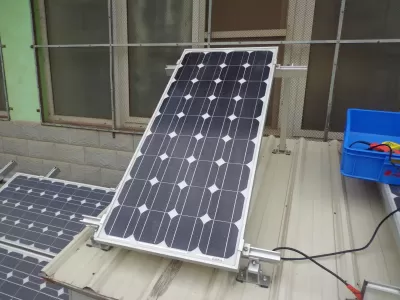
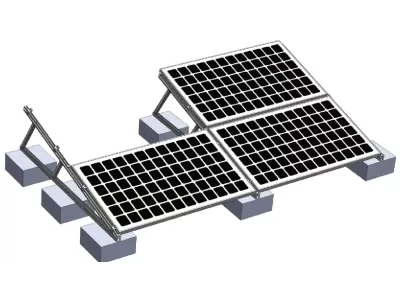
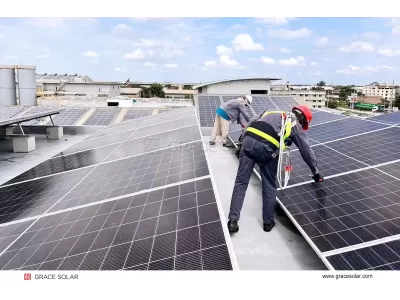
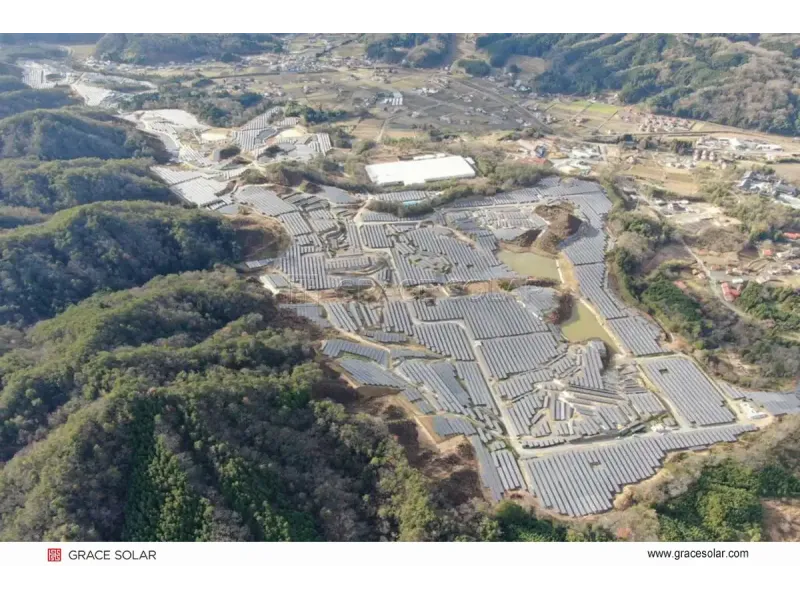
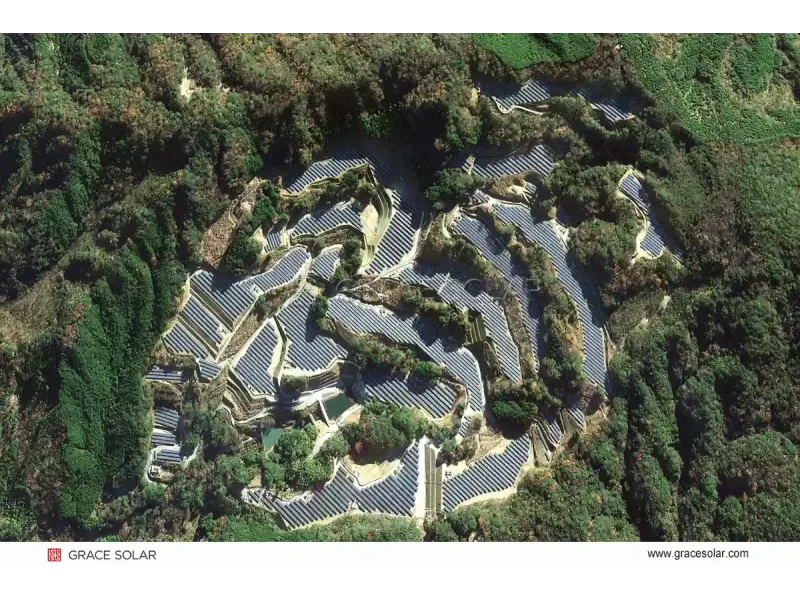
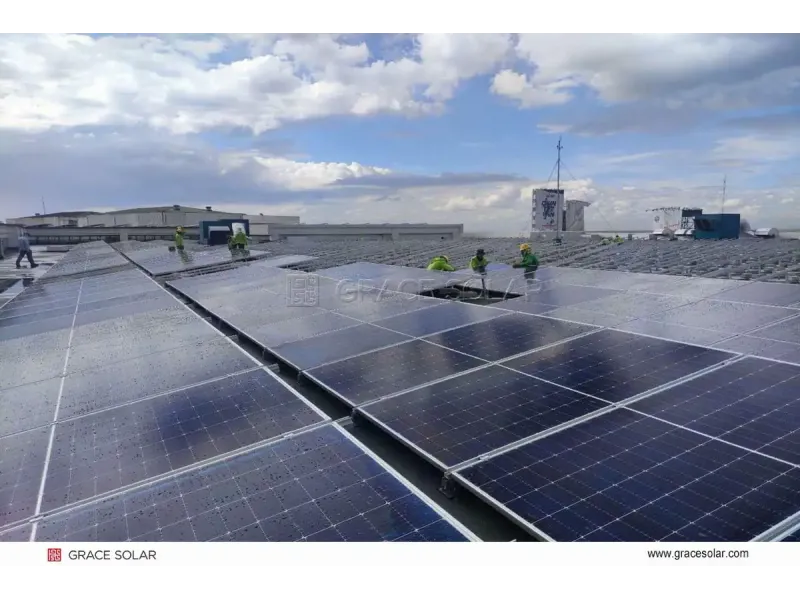
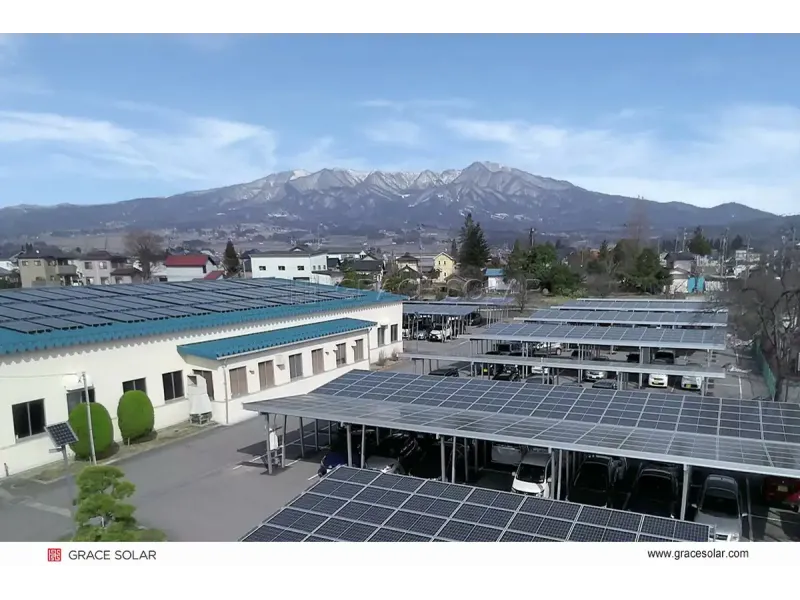
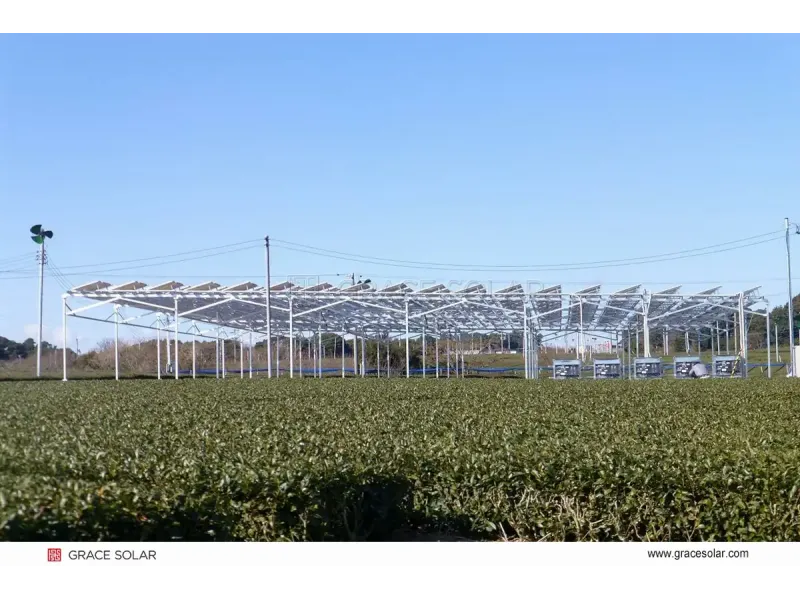
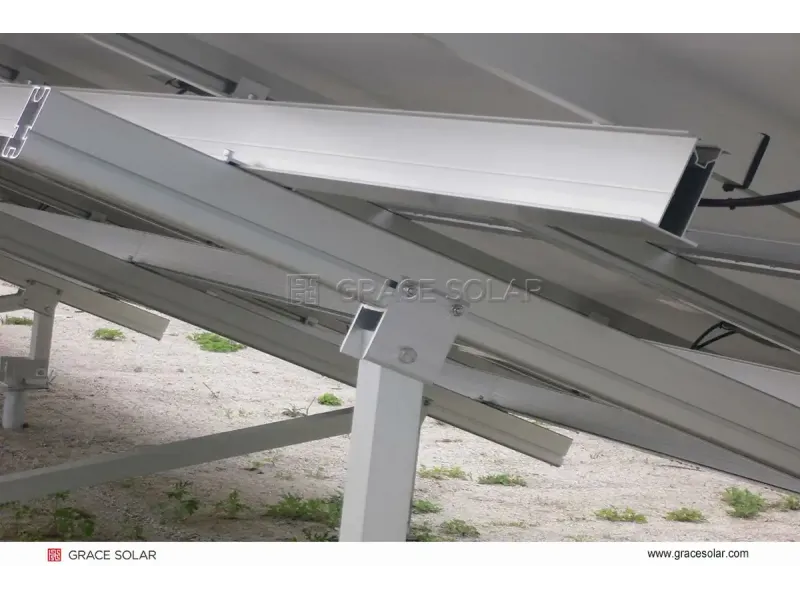
Xiamen Grace Solar New Energy Technology Co., Ltd. stands apart in this list as a premier global manufacturer and supplier of solar mounting systems and comprehensive solutions. While not a direct-to-consumer installer in Nigeria, Grace Solar is a fundamental enabler for the market. Ranked among the top 5 globally in market share, they provide the critical hardware—solar tracking systems, ground mount structures, and roof mounting systems—that ensure the durability, efficiency, and bankability of large-scale solar projects.
With over 48GW of cumulative global installations and products certified to UL, TUV, and CE standards, their entry into the Nigerian market elevates project quality. They partner with local EPC companies and developers to deliver utility-scale, commercial, and industrial plants that require robust, engineered solutions. Learn more about their global vision and mission here.
Ideal for: Project developers, EPC contractors, and large-scale commercial/industrial clients who prioritize international quality, technical innovation, and reliable supply chains for their solar infrastructure.
#4: Arnergy - The Reliable Power Specialist
Arnergy is synonymous with reliable, battery-backed solar solutions for homes and businesses. They focus on delivering uninterrupted power through modular, expandable systems often managed via smart digital platforms. Their strength is in providing predictable, grid-like electricity in areas with unreliable public supply, catering to a clientele that values peace of mind and quality.
Ideal for: Middle-income households, schools, healthcare facilities, and SMEs in urban and peri-urban areas needing reliable backup and primary solar power.
#5: Daystar Power - The C&I Leader
A major force in West Africa's commercial & industrial (C&I) solar sector, Daystar Power provides solar-hybrid and "Power-as-a-Service" solutions. They help businesses—from factories to financial institutions—cut energy costs and carbon emissions by installing and often operating on-site solar systems with no upfront capital expenditure from the client.
Ideal for: Medium to large corporations, manufacturing plants, and agribusinesses seeking to reduce operational costs and secure long-term, clean power through a service model.
#6: Auxano Solar - The Local Manufacturer
Auxano holds the distinction of being one of Nigeria's first privately-owned solar PV module assembly plants. This local manufacturing focus supports import substitution, creates jobs, and can offer faster delivery times for certain components. They provide both module sales and installation services, contributing to the local solar value chain's development.
Ideal for: Projects seeking locally assembled panels or those with requirements for local content participation.
#7: GVE Projects - The Mini-Grid Expert
GVE is a specialist in designing, building, and operating solar-powered mini-grids for underserved rural communities and private clusters (like universities or estates). Their work is crucial for achieving Sustainable Development Goal 7 (universal energy access) in Nigeria, providing clean, metered, and manageable power to communities beyond the grid's reach.
Ideal for: Rural communities, development organizations, and private residential/commercial clusters looking for a dedicated, community-scale power solution.
#8: Rubitec - The Utility-Scale Developer
Rubitec focuses on the larger end of the spectrum, developing utility-scale solar projects and independent power plants (IPPs). These projects, often in the multi-megawatt range, are critical for feeding clean energy into the national grid and stabilizing Nigeria's bulk power supply. They work closely with government agencies and large investors.
Ideal for: Government bodies, utility companies, and large-scale investors interested in grid-connected solar power plants.
#9: Havenhill Synergy - The Community Focus
Similar to GVE, Havenhill Synergy concentrates on decentralized renewable energy solutions with a strong social impact mandate. They develop solar mini-grids and standalone systems for rural communities, schools, and healthcare centers, often integrating productive use appliances to spur local economic development.
Ideal for: NGOs, community-based organizations, and public institutions aiming to power off-grid social infrastructure.
#10: WiSolar - The On-Demand Utility
WiSolar operates with a "solar-as-a-service" model, offering monthly subscription plans for solar power without the need for a large upfront purchase. This model, primarily targeted at residential and small business users, simplifies access by bundling equipment, installation, and maintenance into a single monthly bill, much like a traditional utility.
Ideal for: Urban homeowners and small business owners who want a managed solar solution with predictable monthly expenses and no system ownership hassle.
4. How to Choose the Right Partner for Your Project
Selecting from this diverse top 10 list depends entirely on your role and needs:
- Homeowners & Small Businesses: Look to #1, #2, #4, #10. Focus on warranty, after-sales service, and total cost of ownership.
- Commercial & Industrial Clients: Engage with #5 (Daystar) or #4 (Arnergy) for managed services. For CAPEX projects, partner with a local EPC firm that sources quality hardware from suppliers like #3 (Grace Solar).
- Project Developers & EPCs: Your choice is critical. For large-scale, bankable projects, partnering with an established global technology supplier (#3) ensures technical reliability, certification compliance, and investor confidence. Evaluate their project portfolio, certifications, and local support capabilities.
- For Community/Off-Grid Projects: #7 (GVE) and #9 (Havenhill) are specialized partners with proven track records in community engagement and sustainable models.
5. Conclusion: A Market Powered by Diversity
Nigeria's solar future in 2025 is bright precisely because it is powered by a diverse ecosystem. From SunKing's grassroots reach to Grace Solar's global engineering excellence, each company in this top 10 plays a vital role. The most successful projects—and Nigeria's overall energy transition—will come from strategic partnerships across this spectrum: combining international quality and innovation with local installation expertise and market knowledge. Whether you are a homeowner, a business leader, or a project developer, understanding this layered landscape is the first step to harnessing the sun's power effectively.
/Al-Zn-Mg%20coated%20piling%20structure%20for%20extreme%20weather%20resistance_-400x300w.webp "Double Column Piling Ground Mounting System - Portrait Placement ( Carbon steel )")
/Double-column%20carbon%20steel%20solar%20ground%20mount%20system%20with%20portrait%20panel%20arrang_-400x300w.webp "Double Column Piling Ground Mounting System - Portrait Placement ( Carbon steel )")
/Aluminum%20alloy%20solar%20ground%20mounting%20system%20on%20sloped%20terrain_-400x300w.webp "Single Column Piling Ground Mounting System - Landscape Placement ( Aluminum alloy )")
/Single-column%20piling%20foundation%20for%20landscape-friendly%20solar%20installation_-400x300w.webp "Single Column Piling Ground Mounting System - Landscape Placement ( Aluminum alloy )")