Table of Contents
- What Are Agricultural Solar Panels (Agrivoltaics)?
- Key Agrivoltaic Technologies & Mounting Systems
- Optimal Applications: Crops, Livestock & Pollinators
- Economic Benefits & Government Incentives
- Steps to Implement an Agrivoltaic Project
- Global Case Studies & Research Insights
What Are Agricultural Solar Panels (Agrivoltaics)?
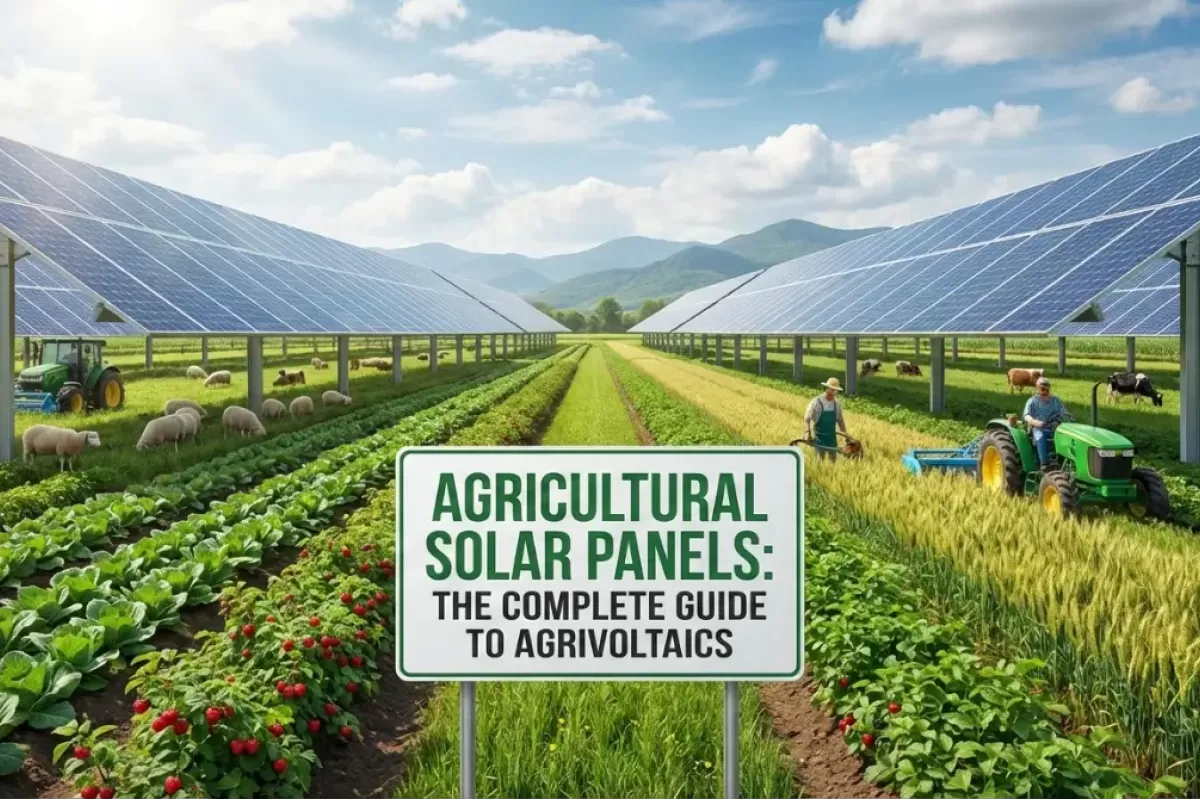
Agrivoltaics, also known as agri-PV or dual-use solar, is an innovative land-use solution that co-locates solar photovoltaic (PV) panels with agricultural activities on the same land area. This practice transforms the traditional view of solar farms and crop fields as competitors into a synergistic model. As highlighted by the U.S. Department of Energy, this integration is a growing field of research and deployment aimed at increasing overall land productivity.
The core principle is mutual benefit: the solar panels provide a physical structure that can modify the microclimate underneath—offering partial shade, reducing soil moisture evaporation, and protecting crops from extreme weather. In return, the vegetated surface creates a cooler ambient environment than bare soil or gravel, which can improve the efficiency and longevity of the solar panels. This synergy is crucial in addressing global challenges of food security, water scarcity, and renewable energy expansion.
Key Agrivoltaic Technologies & Mounting Systems
The success of an agrivoltaic project is fundamentally determined by its mounting structure. The design must fulfill three critical requirements: optimize sunlight capture for energy generation, allow sufficient and appropriate light for plant growth, and maintain full access for agricultural machinery and labor.
1. Elevated Fixed-Tilt and Seasonal Tilt Systems
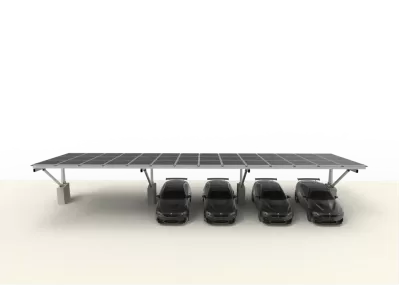
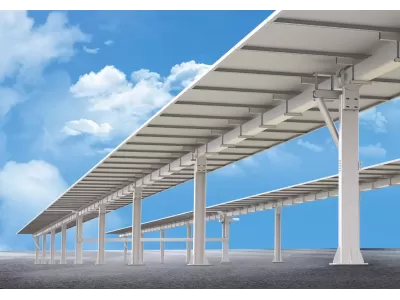
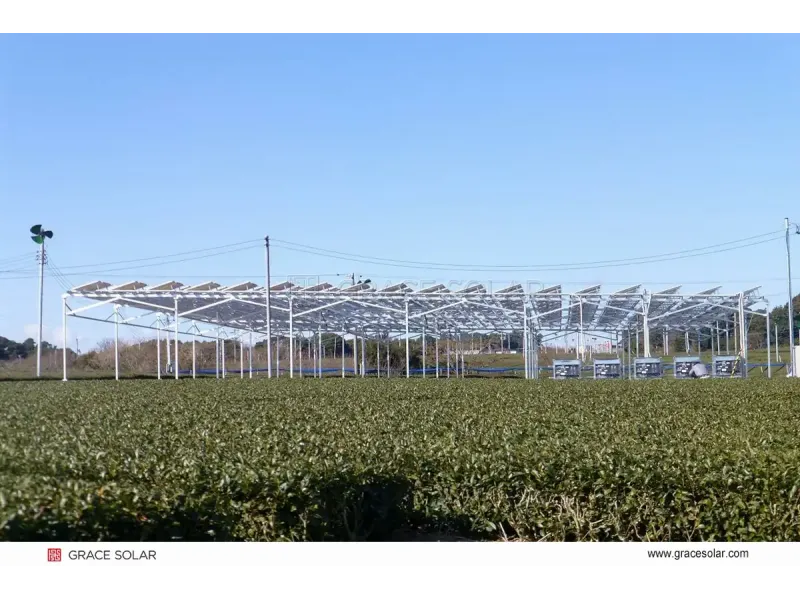
This is a common and robust approach where panels are mounted on structures raised several meters (typically 2.5 to 4 meters) above the ground. The high clearance allows standard farm equipment like tractors and harvesters to operate freely underneath. The tilt angle of the panels is often fixed but can be designed for seasonal adjustment to balance light transmission between summer (when crops may need more shade) and winter months. These systems are highly versatile and suitable for a wide range of crops, from vegetables to small fruits.
2. Single-Axis Tracking Systems
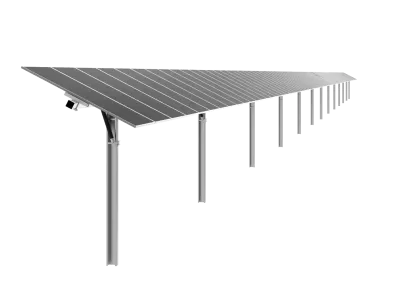
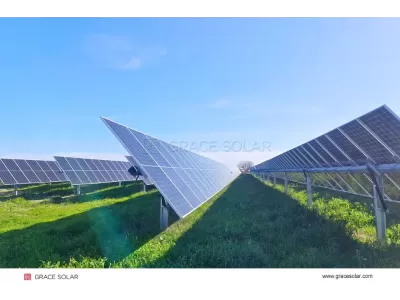
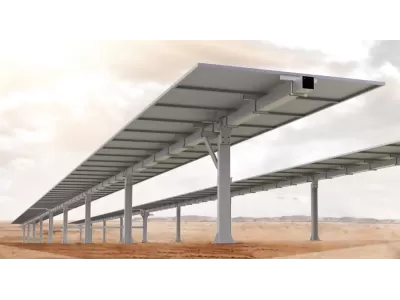
Advanced single-axis solar trackers dynamically follow the sun's path across the sky. In an agrivoltaic context, their programming can be optimized not just for maximum energy yield but also to create moving shade patterns. This "dappled light" effect can be beneficial for many crops, simulating a more natural light environment and preventing constant shadow stress on any single plant area. The movement also allows for periodic full-sun exposure to the ground. Leading manufacturers offer trackers with smart algorithms that can be tailored for specific agrivoltaic goals.
3. Vertical Bifacial Systems
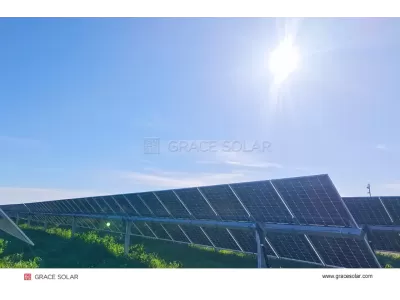
In this innovative design, bifacial solar panels are installed vertically, oriented east-west, like fences between crop rows. This setup minimizes continuous shading, as the panels primarily capture sunlight in the morning and afternoon while allowing direct overhead sunlight at midday. It is particularly promising for field crops like wheat, corn, potatoes, and for pasture-based livestock grazing, as it presents minimal obstruction to machinery. This design, pioneered in Europe, is gaining attention for its compatibility with large-scale mechanized agriculture.
4. Greenhouse-Integrated PV Systems
Specialized semi-transparent or spaced PV panels can be integrated directly into greenhouse roofs. These systems generate electricity while controlling the light spectrum and intensity inside the greenhouse. This allows for climate control and can be used to optimize conditions for high-value crops like herbs, flowers, or seedlings, reducing the need for external energy for cooling or heating.
Optimal Applications: Crops, Livestock & Pollinators
Not all agricultural activities are equally suited to every agrivoltaic design. Success depends on matching the system design with the biological needs of the plants or animals.
- Shade-Tolerant Crops: Leafy greens (lettuce, kale, spinach), brassicas (broccoli, cabbage), berries (raspberries, blueberries), and some root vegetables (potatoes, carrots) often thrive under partial shade, which can reduce water stress and improve quality.
- Pasture and Livestock Grazing: Sheep grazing is the most widespread form of agrivoltaics globally. Sheep naturally manage vegetation under and around panels, eliminating the cost and emissions of mowing. The panels provide shelter from sun and rain, improving animal welfare. Cattle and poultry can also be incorporated with careful design.
- Pollinator Habitat: Planting native, low-growing flowering plants under solar arrays creates vital habitats for bees, butterflies, and other pollinators. This boosts biodiversity, supports surrounding crop pollination, and can qualify for additional ecological grants or credits.
- Specialty Crops in Arid Regions: In dry, high-sun areas, panels can reduce evapotranspiration so significantly that they enable the cultivation of more water-sensitive crops or reduce irrigation needs by up to 20-30%.
Economic Benefits & Government Incentives
Agrivoltaics diversifies and stabilizes farm income, creating resilience against market and climatic fluctuations. Revenue streams include: 1) sale of electricity to the grid or through Power Purchase Agreements (PPAs); 2) continued production and sale of agricultural goods; and 3) potential payments for ecosystem services (e.g., carbon sequestration, pollinator support).
To offset the higher initial capital cost compared to standard ground-mount solar, significant government incentives are available in many regions:
- U.S. - Rural Energy for America Program (REAP): Provides grants covering up to 25% and loan guarantees for up to 75% of project costs for agricultural producers and rural small businesses.
- U.S. - Investment Tax Credit (ITC): Offers a 30% federal tax credit on the total installed cost of the solar system.
- European Union CAP & National Schemes: Many EU countries offer direct subsidies and grants for agrivoltaics under the Common Agricultural Policy's eco-schemes and national renewable energy programs.
- Asia-Pacific: Countries like Japan, South Korea, and Australia have specific feed-in tariffs or rebate programs for dual-use solar installations.
A professional energy audit is the essential first step to accurately quantify current energy usage, project future savings, and correctly size the solar installation for optimal financial return.
Steps to Implement an Agrivoltaic Project
- Feasibility Study & Goal Setting: Define primary objectives (e.g., energy independence, new revenue, crop protection). Conduct a high-level site assessment considering sun hours, topography, soil type, and existing agricultural use.
- Agronomic & Engineering Design: Partner with a multidisciplinary team including agronomists and solar engineers. This is where specialized experience is critical. Companies with a global footprint, like Grace Solar which has deployed solutions in over 100 countries, can provide invaluable design expertise to create a custom mounting structure that balances all requirements. This includes selecting the right technology (e.g., elevated fixed-tilt, tracker), determining optimal panel height and spacing, and planning for drainage and soil health.
- Financial Modeling & Incentive Application: Develop a detailed pro forma model projecting costs, energy production, agricultural yields, and return on investment (ROI). Prepare and submit applications for relevant grants (e.g., REAP), tax credits, and financing.
- Permitting & Community Engagement: Secure necessary land-use, electrical, and agricultural permits. Proactively engage with the local community and stakeholders to explain the benefits of the dual-use project, addressing any concerns about preserving farmland.
- Installation & Commissioning: Construction should be managed by contractors experienced in agrivoltaics to minimize soil compaction and disruption. After installation, the system is electrically commissioned and connected to the grid (if applicable).
- Operations, Maintenance & Monitoring: Implement a combined agricultural and solar O&M plan. This includes monitoring energy output, panel cleaning, integrated pest management, harvesting, and grazing rotation. Using data loggers to monitor microclimate conditions (light, temperature, humidity) under the array is highly recommended to optimize both productions over time.
Global Case Studies & Research Insights
Agrivoltaics is being successfully implemented worldwide, offering valuable lessons:
- United States (Colorado, Maine): Research at sites like Jack's Solar Garden shows certain crops (peppers, tomatoes, chard) can yield equal to or greater than full-sun plots while using less water. In Maine, blueberry farms are integrating PV to protect crops from increasing sunscald and weather extremes.
- Europe (Germany, Italy, Netherlands): Germany has extensive research on vertical PV with grain crops. In Italy and the Netherlands, companies are developing high-clearance tracking systems for horticulture, aiming to keep agricultural production above 80% of baseline.
- Asia (Japan, Vietnam): Japan's "solar sharing" policy has led to thousands of small-scale farm-PV installations. In Vietnam, pilot projects focus on combining solar with shrimp farming or fruit orchards to adapt to climate change.
The common thread in all successful projects is customized engineering. There is no one-size-fits-all solution. The mounting structure must be precisely designed for the local climate, soil, crop choice, and machinery. This is why partnering with a provider offering custom solutions and possessing extensive global project experience is a decisive factor for long-term success. You can explore our comprehensive approach to such tailored engineering on our Solar Solutions page.
Start Your Agrivoltaic Journey
Implementing agricultural solar panels is a significant decision that requires careful planning and the right partners. It bridges the fields of agriculture, energy, and engineering. Whether you are looking to reduce operating costs, create a resilient revenue stream, or future-proof your farm against climate volatility, a well-designed agrivoltaic system is a powerful tool.
Next Step: Contact our team of agrivoltaics specialists for a preliminary consultation. We can discuss your land, your goals, and how a customized dual-use solar solution can be designed to meet them, drawing from our extensive portfolio of global installations.
Get a Custom Agrivoltaic Design ConsultationFrequently Asked Questions (FAQs)
Does the shade from solar panels hurt crop production?
The impact varies by crop. Sun-loving staple crops (e.g., corn, wheat) may see reduced yields if shading is too high. However, many crops, especially in hotter climates, benefit from partial shade. It reduces heat and water stress, which can lead to improved quality and more stable yields. The key is a site-specific design that tailors the light exposure to the chosen crop's needs.
How do I maintain a solar array on farmland?
Maintenance combines agricultural and electrical tasks. Panels may require periodic cleaning to remove dust or pollen. Vegetation is often managed by grazing sheep or by using specialized low-growing ground cover. Electrical components should be inspected annually. A good mounting system is designed for easy access and durability in an agricultural environment to keep maintenance costs low.
What is the typical payback period for an agrivoltaic system?
Payback periods vary widely based on system cost, local energy prices, incentives, and the value of the agricultural product. With current incentives like the 30% ITC and REAP grants in the U.S., many farm-scale systems can achieve a payback in 5 to 10 years. The systems are designed to last 25-30 years, providing over a decade of net-positive cash flow after the initial payback.
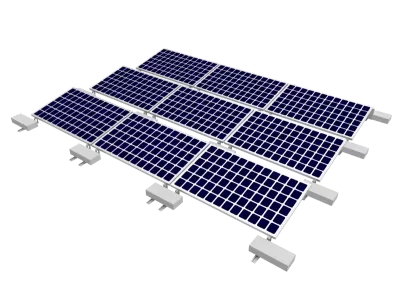
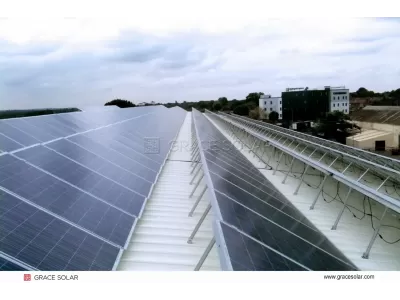
/Al-Zn-Mg%20coated%20piling%20structure%20for%20extreme%20weather%20resistance_-400x300w.webp "Double Column Piling Ground Mounting System - Portrait Placement ( Carbon steel )")
/Double-column%20carbon%20steel%20solar%20ground%20mount%20system%20with%20portrait%20panel%20arrang_-400x300w.webp "Double Column Piling Ground Mounting System - Portrait Placement ( Carbon steel )")
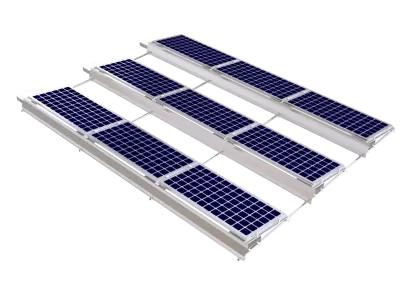
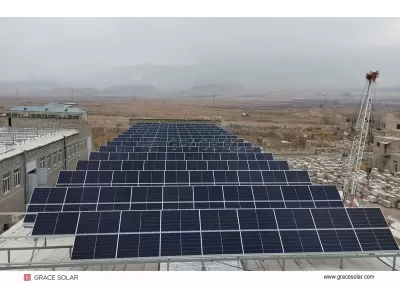
/Aluminum%20alloy%20solar%20ground%20mounting%20system%20on%20sloped%20terrain_-400x300w.webp "Single Column Piling Ground Mounting System - Landscape Placement ( Aluminum alloy )")
/Single-column%20piling%20foundation%20for%20landscape-friendly%20solar%20installation_-400x300w.webp "Single Column Piling Ground Mounting System - Landscape Placement ( Aluminum alloy )")