Table of Contents
- ▶ Executive Summary: 2025 Cost & ROI Snapshot
- ▶ Chapter 1: Detailed Cost Breakdown of a 1MW Plant
- ▶ Chapter 2: Key Factors Influencing Your Total Cost
- ▶ Chapter 3: Revenue & ROI Analysis for Investors
- ▶ Chapter 4: From Plan to Power: Implementation Steps
- ▶ Conclusion: Is a 1MW Solar Plant a Smart Investment?
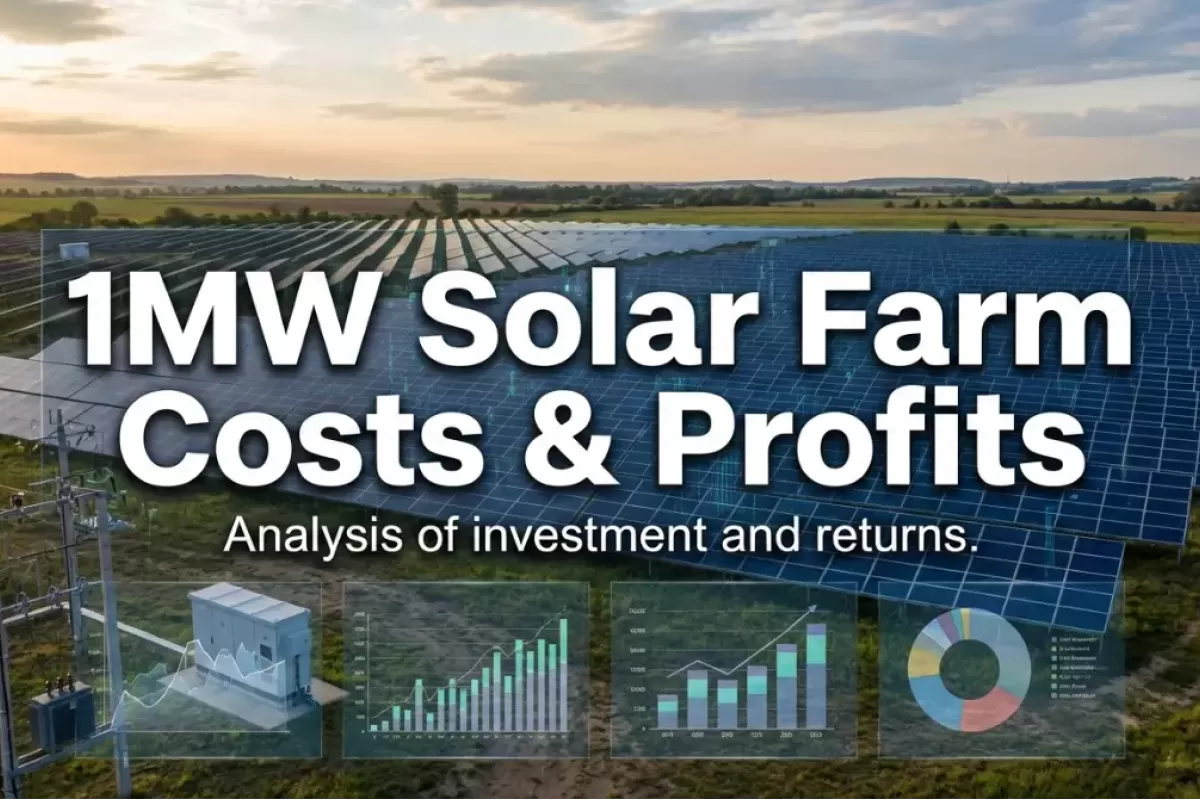
Investing in a 1-megawatt (MW) solar power plant is a significant decision that combines environmental impact with substantial financial planning. For commercial entities, independent power producers, and communities, understanding the real cost structure and profit potential in 2025 is crucial. This guide provides a data-driven, comprehensive analysis of a 1MW solar farm's expenses, revenue, and key success factors, drawing from the latest market data and industry insights.
Executive Summary: 2025 Cost & ROI Snapshot
Before diving into the details, here’s a quick overview of the financial landscape for a typical grid-connected, ground-mounted 1MW solar plant (excluding battery storage) in the current market.
| Metric | Range / Value | Key Notes |
|---|---|---|
| Total Installed Cost | $700,000 - $1,300,000 | Highly dependent on region, labor, and component choice. U.S. averages align with this range. |
| Cost per Watt | $0.70 - $1.30 / W | Economies of scale make utility-scale solar far cheaper than residential. |
| Annual Energy Production | 1.3 - 1.6 Million kWh | Assumes 4-5 peak sun hours daily. Varies significantly with location. |
| Annual Revenue/Savings | $130,000 - $180,000 | Based on PPA rates or offset electricity costs of $0.10 - $0.14/kWh. |
| Simple Payback Period | 5 - 9 Years | After incentives like the 30% U.S. Investment Tax Credit (ITC). System life >25 years. |
| Land Requirement | 4 - 8 Acres | Depends on panel efficiency, tilt, and system configuration. |
Chapter 1: Detailed Cost Breakdown of a 1MW Plant
The total installed cost consists of Hardware (or “Hard”) Costs and Soft Costs. A clear understanding of both is essential for accurate budgeting.
1.1 Hardware Costs (The Physical System)
This covers all physical equipment, typically representing 50-70% of the total project budget.
| Component | Cost Range (USD) | Details |
|---|---|---|
| Solar Panels (PV Modules) | $300,000 - $450,000 | Approx. 1,800 - 2,500 high-efficiency panels (450W-550W each). Mono PERC, TOPCon, or HJT. |
| Inverters | $60,000 - $100,000 | Central or string inverters for DC to AC conversion. |
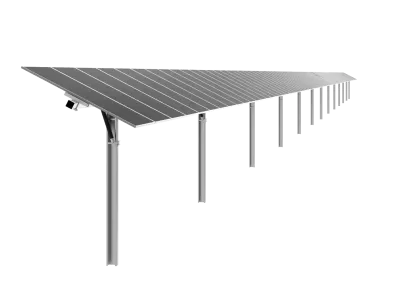
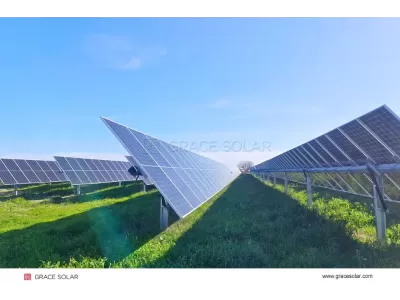
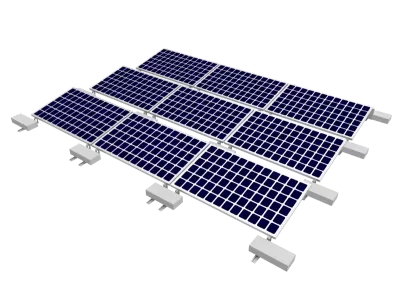
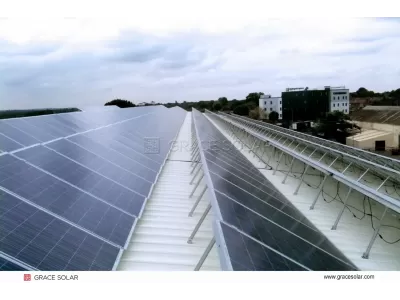
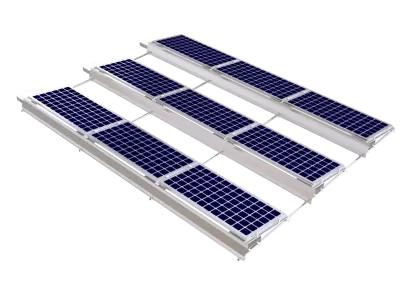
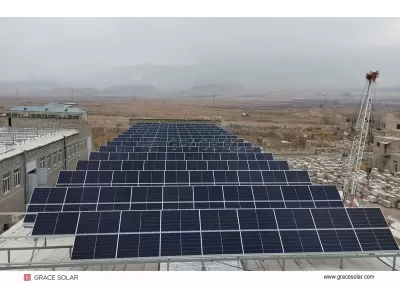
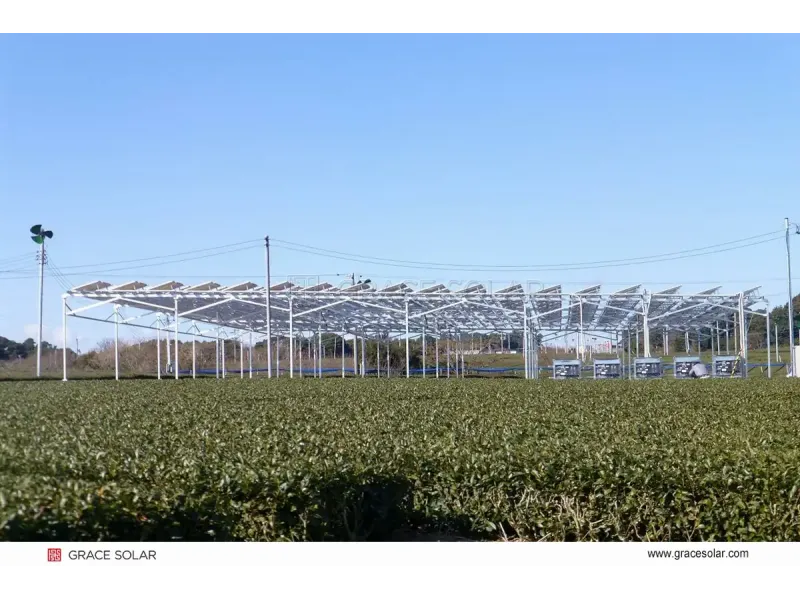
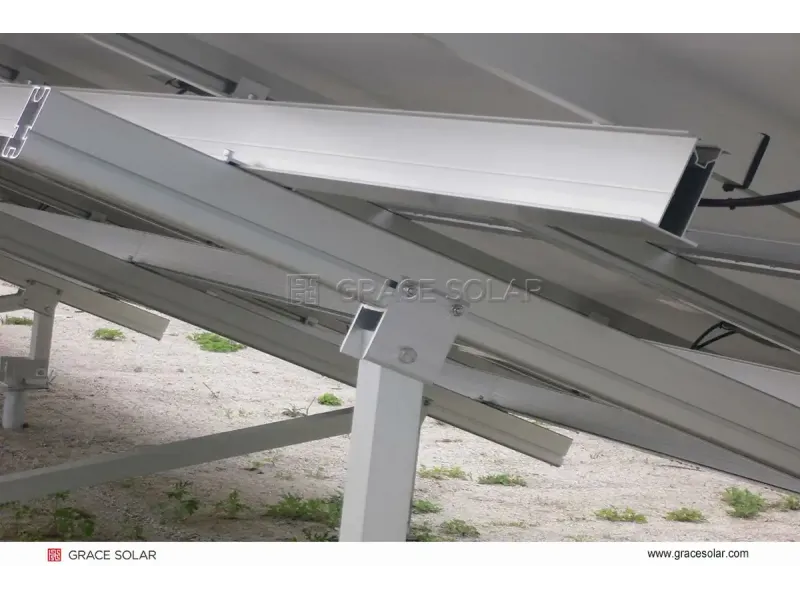
| Mounting & Racking Systems | $80,000 - $150,000 | Critical for long-term reliability. Cost varies by design (fixed-tilt vs. single-axis tracking), material, and local wind/snow codes. A robust system from an experienced provider like Grace Solar ensures stability for 25+ years. |
| Cabling, Combiner Boxes | $40,000 - $60,000 | DC & AC wiring, junction boxes, and connectivity. |
| Transformer & Grid Connection | $50,000 - $80,000 | Steps up voltage for grid integration. |
| Monitoring System (SCADA) | $15,000 - $25,000 | For real-time performance tracking. |
| Total Hardware Estimate | $545,000 - $865,000 |
1.2 Soft Costs (Everything Else)
These non-hardware expenses can account for 30-50% of the total and are highly location-specific.
- Land Acquisition & Lease: Annual lease rates range from $300 to $4,000 per acre. Site selection is crucial.
- Engineering, Procurement & Construction (EPC): Includes labor, site preparation, civil works, and installation management.
- Permitting & Interconnection: Fees for building permits, environmental studies, and grid impact studies with the utility company.
- Financing, Legal & Insurance: Costs related to project financing, legal contracts, and insurance during construction and operation.
- Contingency: A reserve (typically 5-10%) for unexpected expenses.
Chapter 2: Key Factors Influencing Your Total Cost
Your final price tag is not fixed. It's shaped by several critical variables:
1. Geographic Location
Labor rates, permitting complexity, and local supply chains vary wildly. Incentives like the U.S. 30% federal Investment Tax Credit (ITC) or local rebates can dramatically reduce net cost.
2. Technology & Design Choices
- Fixed-Tilt vs. Tracking: Single-axis trackers increase energy yield (15-25%) but have higher upfront hardware and maintenance costs.
- Component Quality: Opting for tier-1, high-efficiency panels and reliable inverters may cost more initially but reduces long-term risk and downtime. The same logic applies to the racking system—the backbone of your plant. Choosing a partner with a proven track record in global projects across diverse climates mitigates structural risk.
- Adding Energy Storage (BESS): Integrating battery storage adds significant cost ($200-$350 per kWh) but can create additional revenue streams and enhance grid stability.
3. Project Scale & Business Model
A 1MW plant benefits from economies of scale compared to smaller commercial systems. The business model—whether it's a Power Purchase Agreement (PPA), community solar, or merchant plant—affects financing costs and risk profile.
Chapter 3: Revenue & ROI Analysis for Investors
3.1 Revenue Streams
- Power Purchase Agreement (PPA): Selling electricity to a corporate or utility buyer at a contracted rate for 15-25 years.
- Utility Bill Savings: Offsetting your own facility's electricity consumption.
- Renewable Energy Certificates (RECs): Selling the environmental attributes of the generated power.
3.2 Simplified Financial Model Example
Scenario: 1MW Plant in a favorable U.S. location
• Total Installed Cost: $1,000,000
• After 30% ITC Net Cost: $700,000
• Annual Generation: 1,500,000 kWh
• PPA Rate: $0.11 / kWh
• Annual Revenue: $165,000
• Annual O&M Cost (1.5%): $15,000
• Annual Net Cash Flow: $150,000
Simple Payback Period: $700,000 / $150,000 = ~4.7 Years
Note: This is a simplified model. A full feasibility study must include depreciation, debt service, tax implications, and degradation rates.
Chapter 4: From Plan to Power: Implementation Steps
- Feasibility & Site Assessment: Analyze solar resource, shading, soil conditions, and grid interconnection feasibility.
- Preliminary Design & Partner Selection: Develop a technical layout and select experienced EPC contractors and equipment suppliers. Partnering with seasoned engineering firms and manufacturers like Grace Solar, which brings over 48GW of global project experience, can streamline design and mitigate technical risks from the outset.
- Financing & Offtake Agreement: Secure project financing and finalize a PPA or offtake agreement.
- Detailed Engineering & Permitting: Finalize all construction drawings and secure all necessary permits.
- Construction & Installation: Procure equipment, complete civil works, and install the system. Quality installation of the racking system is paramount for long-term performance.
- Grid Connection & Commissioning: Utility approval, testing, and commercial operation date (COD).
- Long-Term Operations & Maintenance (O&M): Ongoing monitoring, cleaning, and preventative maintenance to ensure 25+ years of optimal production.
Conclusion: Is a 1MW Solar Plant a Smart Investment?
In 2025, a 1MW solar power plant represents a technologically mature and financially viable infrastructure investment. With total costs ranging from $700,000 to $1.3 million and a typical payback period of 5 to 9 years (post-incentives), it offers a predictable, long-term return alongside significant environmental benefits.
Success hinges on meticulous planning, robust engineering, and selecting reliable partners. The choice of core components—especially the solar mounting structure that will endure decades of weather—is not a place to compromise. Investing in proven technology and partnering with suppliers who offer global certifications (UL, TUV, CE, JIS) and localized support is critical for risk mitigation.
As a global leader in smart solar mounting solutions with a cumulative installation base of over 48GW across more than 100 countries, Grace Solar is committed to providing the engineering expertise and high-quality products needed to ensure your 1MW project is built on a firm foundation. For custom project inquiries or to discuss specific racking and storage solutions, we encourage you to contact our team for a detailed consultation.
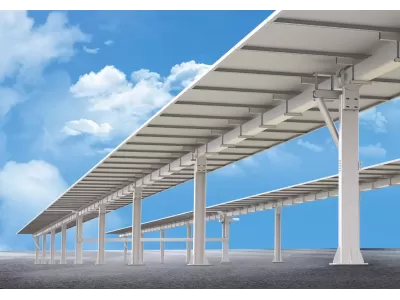
/Al-Zn-Mg%20coated%20piling%20structure%20for%20extreme%20weather%20resistance_-400x300w.webp "Double Column Piling Ground Mounting System - Portrait Placement ( Carbon steel )")
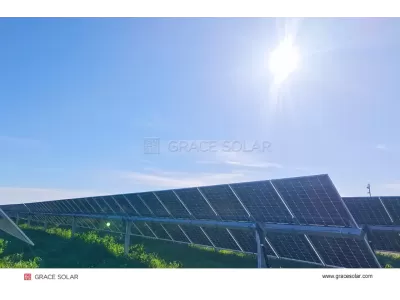
/Double-column%20carbon%20steel%20solar%20ground%20mount%20system%20with%20portrait%20panel%20arrang_-400x300w.webp "Double Column Piling Ground Mounting System - Portrait Placement ( Carbon steel )")
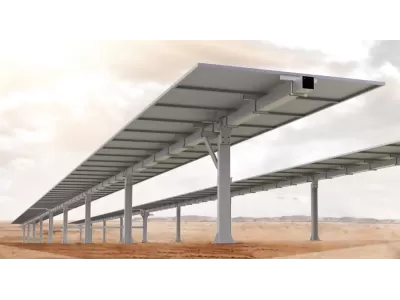
/Aluminum%20alloy%20solar%20ground%20mounting%20system%20on%20sloped%20terrain_-400x300w.webp "Single Column Piling Ground Mounting System - Landscape Placement ( Aluminum alloy )")
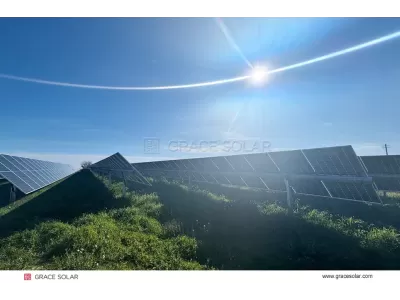
/Single-column%20piling%20foundation%20for%20landscape-friendly%20solar%20installation_-400x300w.webp "Single Column Piling Ground Mounting System - Landscape Placement ( Aluminum alloy )")