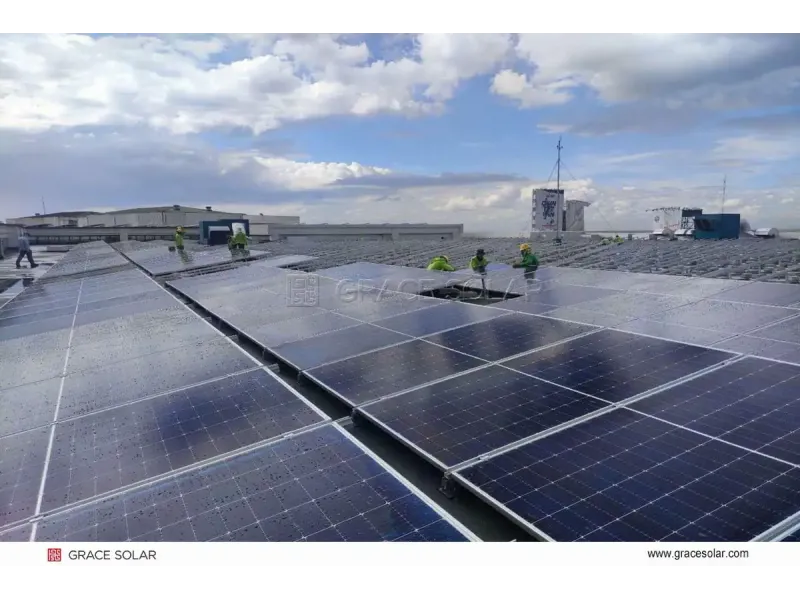
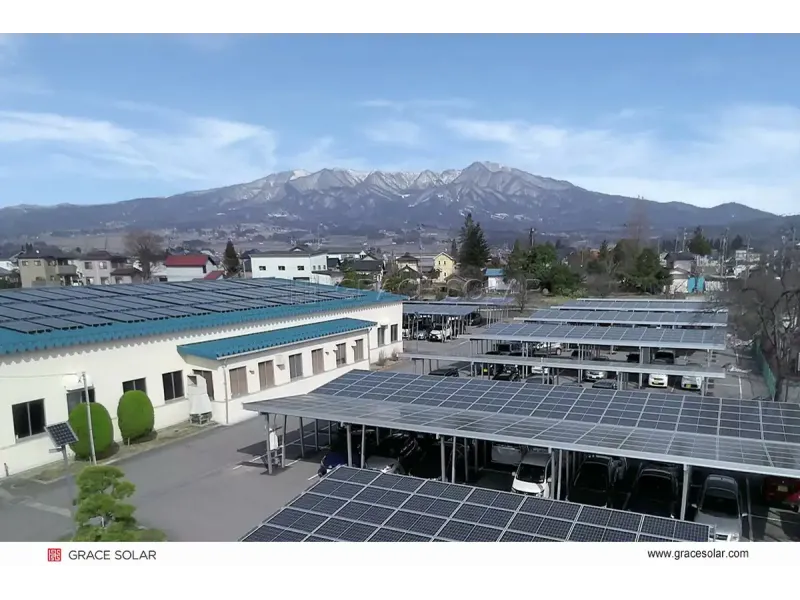
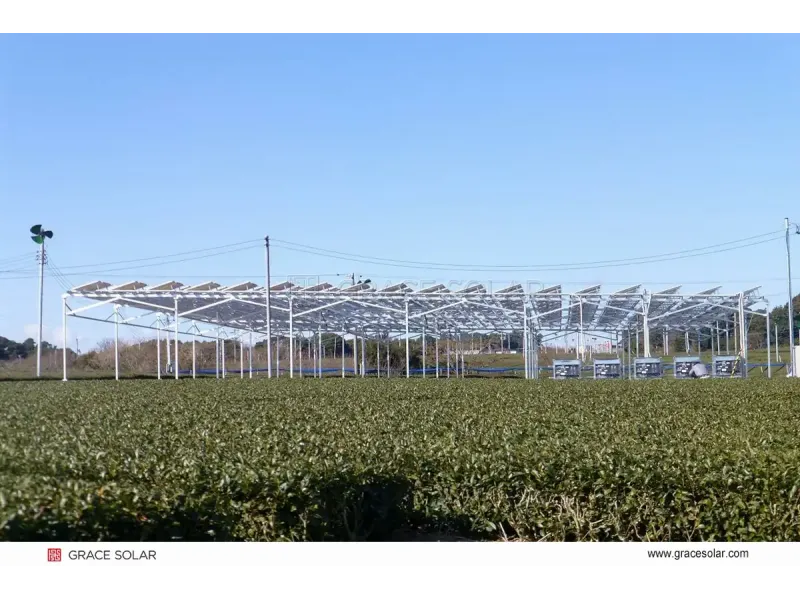
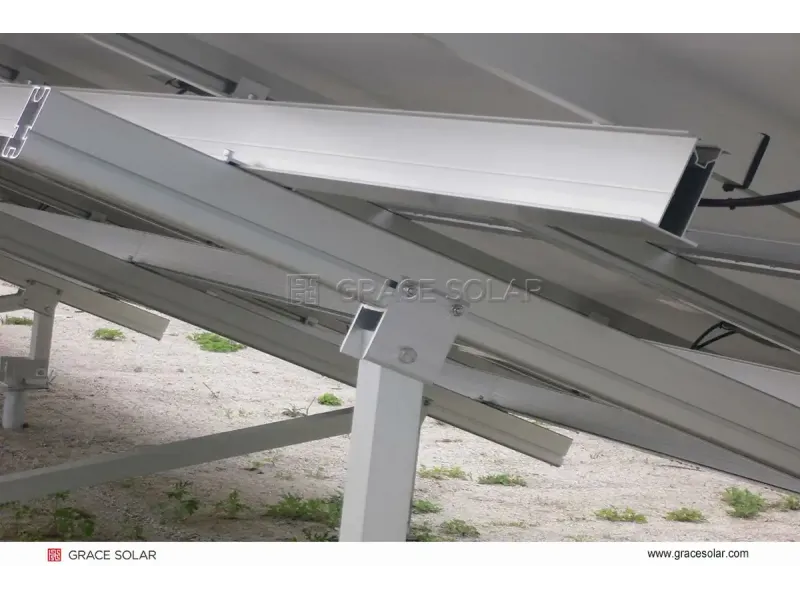
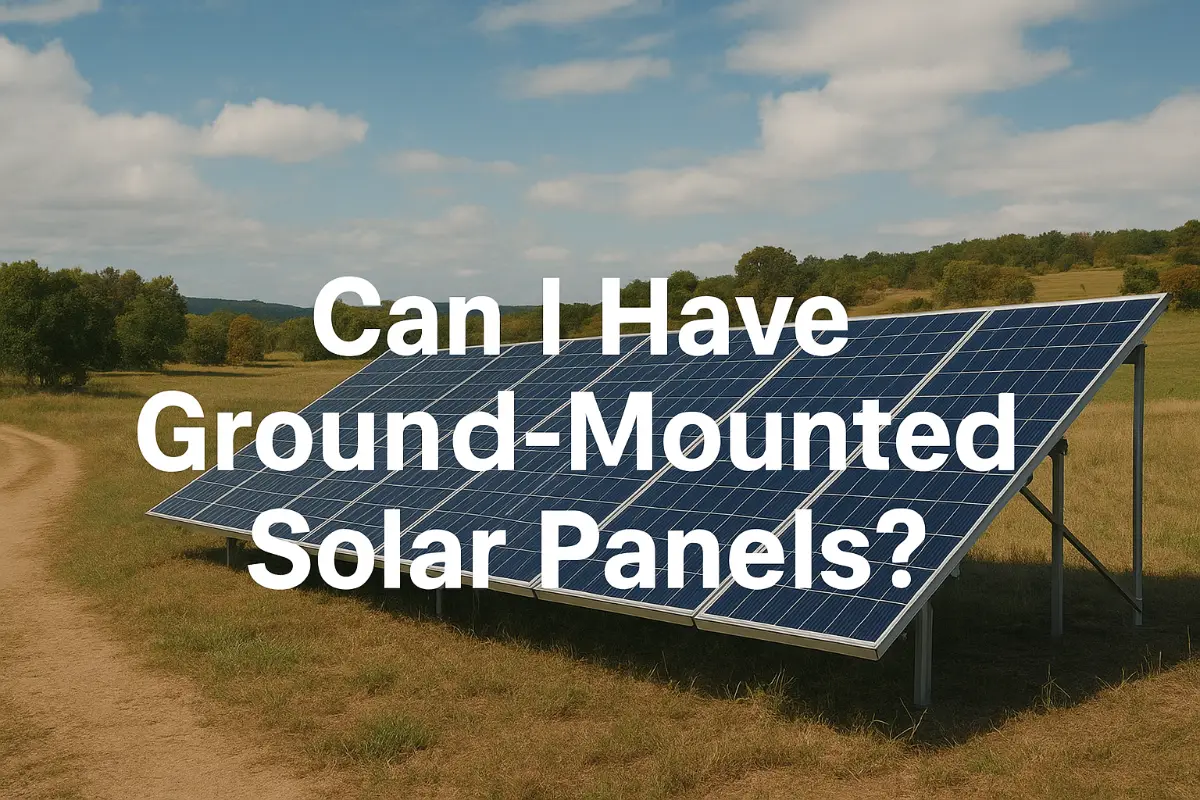
For property owners worldwide facing unsuitable roofs or seeking to maximize energy yield, the question “Can I have ground-mounted solar panels?” is crucial. The resounding answer is yes. Ground-mount solar systems are a versatile and powerful alternative, offering unmatched flexibility and efficiency for residential, agricultural, and commercial applications. This definitive guide synthesizes global insights to explore the benefits, costs, installation types, and critical requirements. You'll also learn how partnering with an experienced provider like Grace Solar ensures your project is built on a foundation of reliability and performance.
Table of Contents
What Are Ground-Mounted Solar Panels?
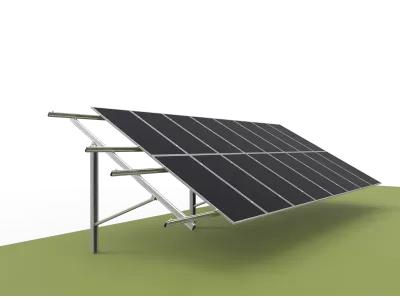
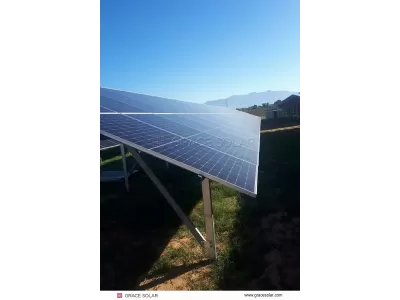
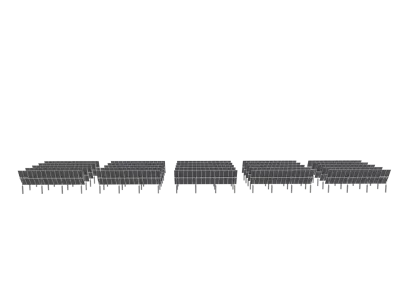
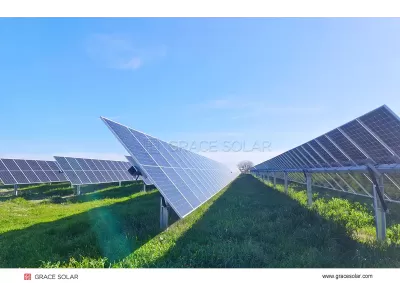
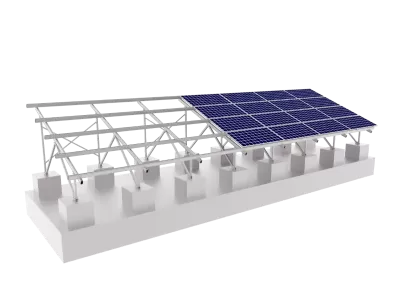
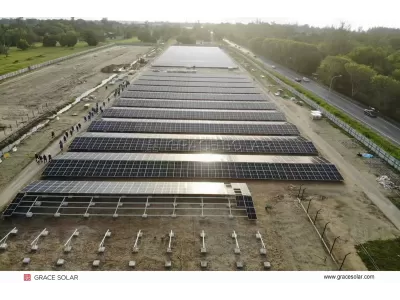
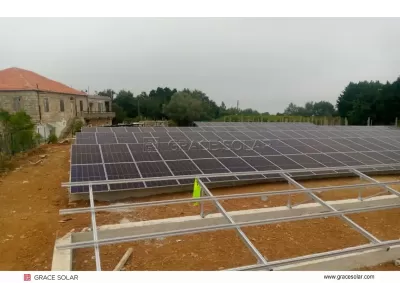
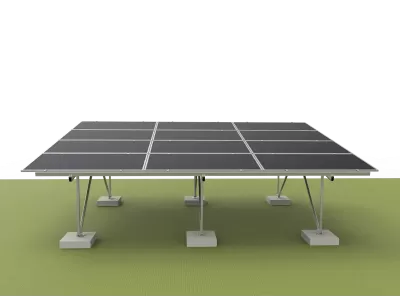
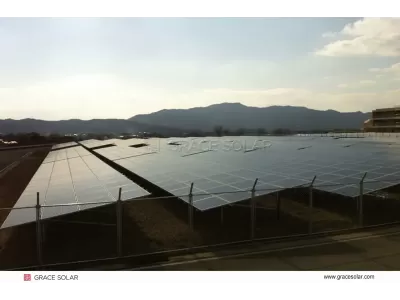
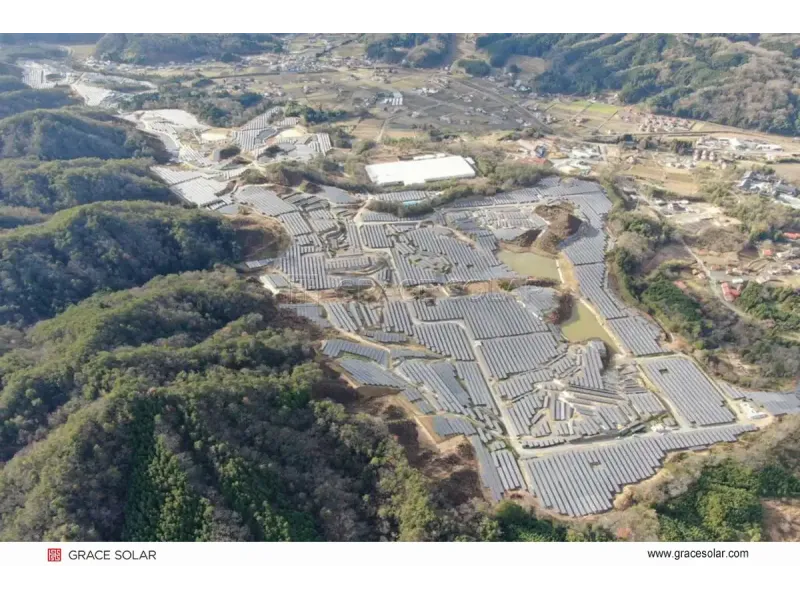
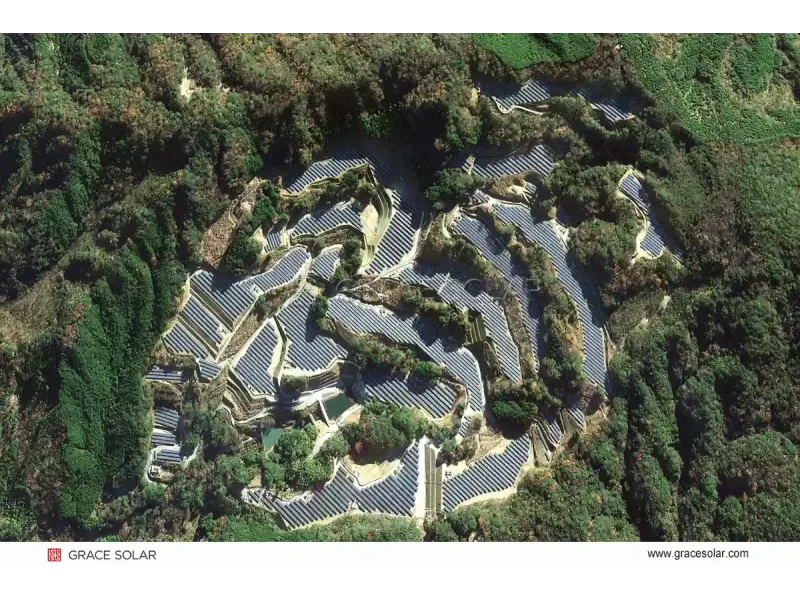
Ground-mounted solar panels are photovoltaic (PV) arrays installed on the ground using a specialized support structure, rather than on a building's roof. They are an ideal solution when roof space is limited, shaded, improperly oriented, or structurally unsound. These systems are highly versatile, serving applications from small residential backyards to large-scale utility solar farms. Unlike rooftop systems, they allow for precise optimization of tilt and orientation, and can be more easily accessed for maintenance.
Key Advantages Over Rooftop Systems
1. Optimal Performance & Efficiency
You can position ground-mounted panels at the perfect angle and orientation (true south in the Northern Hemisphere) to maximize sun exposure throughout the year. Enhanced airflow also keeps panels cooler, boosting their efficiency compared to roof-mounted modules that can get hot. This can lead to 10-25% higher annual energy production for a fixed-tilt system, and even more with tracking.
2. No Roof Limitations or Risks
Avoid roof penetrations, warranty concerns, and future roof replacement complications. Ground mounts are completely independent of your roof's condition, material, or age. This is particularly beneficial for older homes, properties with clay tile or wood shake roofs, or those planning a future re-roofing project.
3. Easy Maintenance and Accessibility
Cleaning snow, dust, or debris is straightforward and safe. Maintenance and potential repairs are significantly easier without needing to climb onto a roof. This accessibility is a major advantage in areas with heavy snowfall or frequent dust storms, ensuring your system operates at peak capacity with minimal effort.
4. Scalability for Future Needs
Planning to add an EV charger, a heat pump, or expand your home? Ground-mounted systems can be more easily scaled up to meet increased energy demands. You're not limited by your roof's finite surface area, allowing you to design a system that matches both your current and anticipated future electricity consumption.
Types of Ground-Mount Systems: A Comparison
Choosing the right structure is critical for performance, cost, and land use. The two primary categories are fixed-tilt systems and tracking systems. Explore our specialized solar ground mounts for engineered solutions tailored to each type.
| Feature | Standard Ground Mount (Fixed-Tilt) | Pole-Mount with Solar Tracker |
|---|---|---|
| Description | Panels secured to a metal framework anchored into the ground with foundations like concrete piers or ground screws. | Panels mounted on one or more poles, often equipped with a motorized system to follow the sun's path across the sky. |
| Key Advantage | Lower initial cost, simpler design with no moving parts, robust and low maintenance. Ideal for stable budgets and ample space. | Dramatically higher energy yield (up to 25-40% more with dual-axis tracking). Maximizes output per square meter of land. |
| Best For | Cost-effective residential and commercial projects with ample space, areas with consistent high sun exposure. | Projects aiming for maximum energy harvest on limited land, commercial installations, and locations with variable sun paths. |
| Solution Link | Explore Fixed-Tilt Racking | Discover advanced smart tracking solutions that optimize energy production. |
Key Considerations Before You Install
Space & Land Requirements
You need a significant, unshaded area. A typical residential system may require 350-450 sq. ft. (32-42 m²). Consider soil type, drainage, and potential shading from future growth or construction. The land should be relatively clear of major obstacles and have good sun exposure for most of the day.
Local Permits & Regulations (Crucial!)
Most localities require building and planning permits. Regulations may dictate setbacks from property lines, height restrictions, and aesthetic guidelines. Always check with your local authority first. As seen in real-world cases, skipping this step can lead to costly fines and required modifications after installation.
Soil & Foundation Engineering
The racking system must be engineered for your specific soil conditions (e.g., clay, sand, rock) and local wind/snow loads. Proper foundations are non-negotiable for system longevity and safety. A professional site assessment is essential to determine the best anchoring method, whether it's concrete ballasts, driven piles, or helical screws.
Cost Analysis & ROI
Ground-mounted systems typically have a 10-35% higher upfront cost than comparable rooftop systems due to the need for independent support structures, extensive trenching for electrical conduits, and sometimes more complex site preparation. However, the levelized cost of energy (LCOE) over the system's 25+ year lifespan can be lower due to significantly higher energy production, especially with tracking systems. The payback period might be similar or even shorter than a rooftop system if the ground mount is significantly more efficient. Always calculate long-term savings, not just initial investment, and factor in available local and national incentives.
The Installation Process: Key Steps
- Site Assessment & Design: A professional evaluates land, sun exposure, shading, and soil to design the optimal system layout and select the appropriate mounting technology.
- Permitting & Documentation: Your installer secures necessary permits and may provide structural engineering stamps. This phase ensures the project complies with all local codes.
- Foundation & Racking Installation: Ground screws, concrete piles, or ballasts are installed, followed by the mounting structure. The quality of components and accessories used here determines the long-term stability of the entire array.
- Panel & Electrical Installation: Panels are secured to the racking, and all wiring is run through carefully trenched conduits back to the inverter and the main electrical panel of the building.
- Inspection, Testing & Grid Connection: Final inspections by local authorities and the utility company precede system activation and interconnection to the grid (if applicable).
Why Choose Grace Solar for Your Ground-Mount Project?
The racking system is the literal and figurative foundation of your solar investment. Choosing a proven, global manufacturer with a focus on engineering excellence is paramount for mitigating risk and ensuring long-term performance and return on investment.
Global Expertise, Engineered for Local Challenges
With a top 5 global market share and over 48GW of cumulative installed capacity across 100+ countries, our systems are battle-tested in diverse environments—from heavy snow loads to high winds and corrosive coastal climates. Our GS-Smart Ground Mounting System and GS-Light Intelligent Tracker incorporate cutting-edge technology and robust materials to ensure durability and maximum energy yield, project after project.
Certified Quality & Bankable Solutions
Our products hold major international certifications (UL, TUV, JIS, etc.) and come with bankability reports, providing peace of mind for homeowners, installers, and financiers alike. We don't just sell parts; we deliver complete, engineered solutions backed by over 100 patents and a core commitment to "Do it right the first time." Our fully equipped laboratory ensures every component meets the highest standards before it reaches your site.
Ready to build your solar project on a solid foundation? Explore our comprehensive Solar Solutions portfolio and connect with our expert team to bring reliable, high-performance solar energy to your property, anywhere in the world.
/Aluminum%20alloy%20solar%20ground%20mount%20system%20for%20residential%20solar%20panels-400x300w.webp "A-Type Ground Mounting System - Landscape Placement (Aluminum Alloy)")
/Modular%20ground-mounted%20solar%20structure%20with%20corrosion-resistant%20coating-400x300w.webp "A-Type Ground Mounting System - Landscape Placement (Aluminum Alloy)")
/Adjustable%20tilt%20angles%20on%20Grace%20Solar%20landscape%20mounting%20system-400x300w.webp "VV-Type Ground Mounting System - Landscape Placement ( Aluminum alloy )")
/Commercial-scale%20solar%20farm%20using%20VV-Type%20landscape%20placement-400x300w.webp "VV-Type Ground Mounting System - Landscape Placement ( Aluminum alloy )")
/N-Type%20Aluminum%20Solar%20Ground%20Mounting%20System%20with%20Adjustable%20Tilt-400x300w.webp "N-Type Ground Mounting System - Landscape Placement ( Aluminum alloy )")
/Residential%20Ground%20Mount%20System%20with%200-60°%20Tilt%20Adjustment-400x300w.webp "N-Type Ground Mounting System - Landscape Placement ( Aluminum alloy )")
/W-Type%20aluminum%20solar%20mounting%20system%20structural%20detail-400x300w.webp "W-Type Ground Mounting System - Landscape Placement ( Aluminum alloy )")
/Ground%20screw%20foundation%20installation%20for%20Grace%20Solar%20racking-400x300w.webp "W-Type Ground Mounting System - Landscape Placement ( Aluminum alloy )")
/Adjustable%20solar%20ground%20mount%20system%20on%20snowy%20mountain%20with%2055%20Angle%20tilt_-400x300w.webp "Adjustable Ground Mounting System - Portrait Placement ( Carbon steel )")
/Engineer%20assembling%20Grace%20Solar's%20portrait%20ground%20mount%20in%20typhoon%20area_-400x300w.webp "Adjustable Ground Mounting System - Portrait Placement ( Carbon steel )")