Table of Contents
- 1. What the Research Says: Global Data on Solar and Property Value
- 2. Ground-Mounted vs. Rooftop Solar: A Detailed Comparison for Value
- 3. Key Factors That Determine the Value Added
- 4. How to Ensure Your Solar Investment Maximizes Home Value
- 5. Conclusion: A Smart Investment for the Future
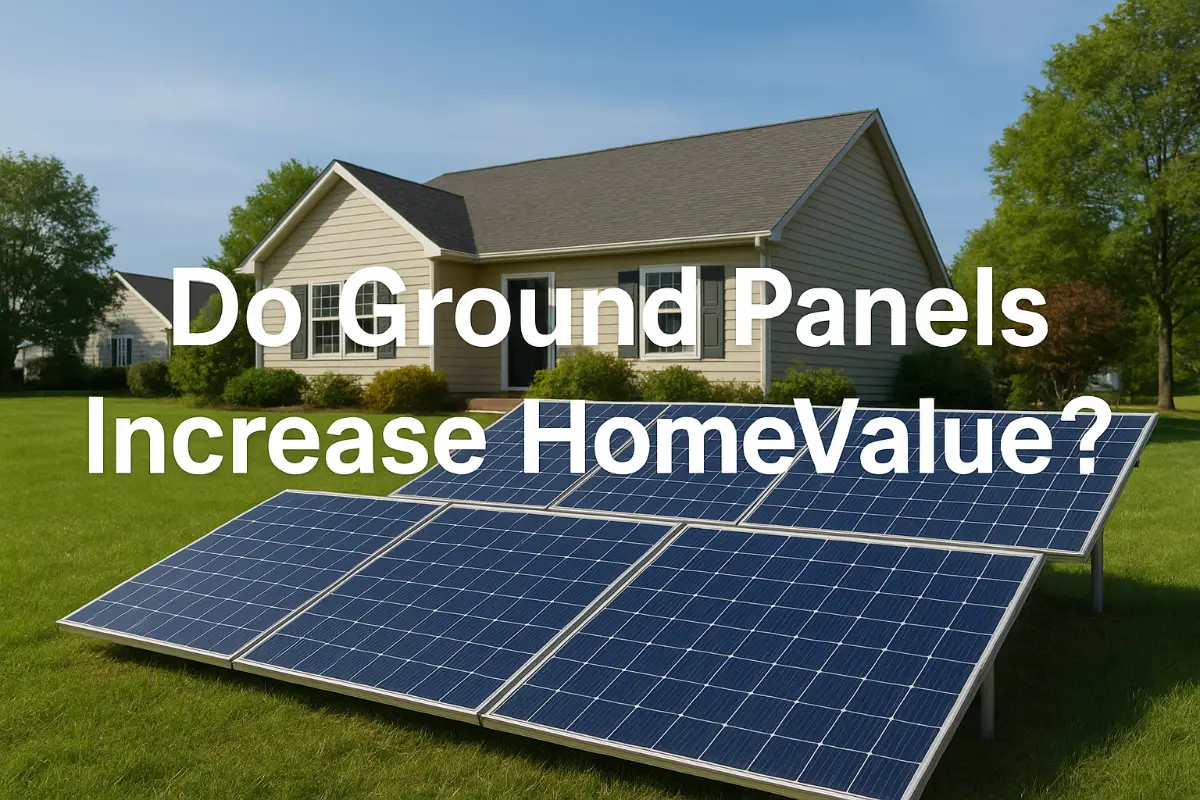
For homeowners worldwide considering renewable energy, a critical question arises: Do ground-mounted solar panels increase home value? Unlike rooftop systems, ground-mounted installations represent a significant and visible alteration to your property. Understanding their impact on resale value is essential for making a sound financial decision.
The short answer, supported by global market studies and real estate data, is yes. However, the extent of the value increase is not a fixed number but a variable influenced by several crucial factors. This guide delves into the latest research, compares installation types, and provides actionable insights to help you navigate this important investment.
1. What the Research Says: Global Data on Solar and Property Value
Multiple authoritative studies across North America, Australia, and Europe consistently demonstrate a positive correlation between solar energy systems and higher home sale prices. The premium is primarily driven by the tangible benefit of reduced or eliminated future electricity bills, making the home more affordable to operate.
Key Studies and Their Findings
| Study / Source (Region) | Key Finding on Home Value | Context & Notes |
|---|---|---|
| SolarReviews (2025 Study, USA) | Average sale premium of 6.8% | Indicates rising premiums, likely due to higher energy costs and increased buyer demand. |
| Zillow (2019 Study, USA) | Average sale premium of 4.1% | A foundational study controlling for home size, location, and market conditions. |
| CoreLogic (Australia Market) | Average premium of 2.7% nationally, up to **$30,000 AUD** in cities like Brisbane | Shows clear value add in a mature solar market with high electricity prices. |
| Lawrence Berkeley National Laboratory (USA) | Approximately $4,000 per installed kilowatt (kW) | A 6kW system could add around $24,000 in value, closely aligning with installation cost. |
Regional variations are significant. Premiums soar in areas with high electricity costs and strong solar incentives. For example, Zillow found premiums as high as 9.9% in New Jersey, USA. Conversely, markets with lower energy costs or less mature solar adoption may see minimal premiums.
A Critical Note on Leased Systems: It's vital to distinguish that nearly all studies confirming value increase refer to homeowner-owned systems. Research from the Fannie Mae and industry analyses consistently show that third-party-owned (TPO) systems, such as solar leases or Power Purchase Agreements (PPAs), do not appraise as property assets and can complicate a sale. As highlighted in community discussions on platforms like Reddit, potential buyers may be hesitant to assume a lease, viewing it as a liability rather than a benefit.
2. Ground-Mounted vs. Rooftop Solar: A Detailed Comparison for Value
While both add value, ground-mounted systems have distinct characteristics that influence their financial and practical appeal to future buyers.
Advantages of Ground-Mounted Systems
- Higher Energy Production: They can be optimally tilted and oriented toward the sun, often producing 15-25% more electricity than comparable rooftop systems. Greater production means greater savings, directly boosting value.
- Easier Maintenance & Longevity: Accessibility simplifies cleaning, inspection, and repairs. Buyers may appreciate that the system doesn’t involve roof penetrations, potentially extending roof life and avoiding future roof replacement complications.
- Solution for Unsuitable Roofs: For shaded, old, or poorly oriented roofs, a ground-mount is the only way to add substantial solar capacity, creating value where none existed.
- Scalability: It is generally easier to expand a ground-mounted system if energy needs increase in the future, adding to the property's flexibility.
Considerations and Challenges
- Land Use & Permitting: Requires dedicated, unshaded land and often faces more stringent zoning and permitting processes than rooftop systems.
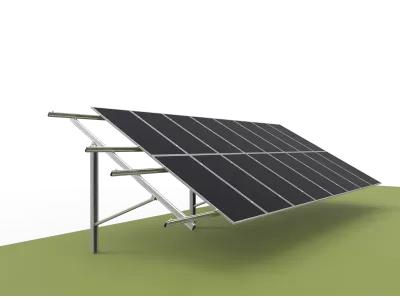
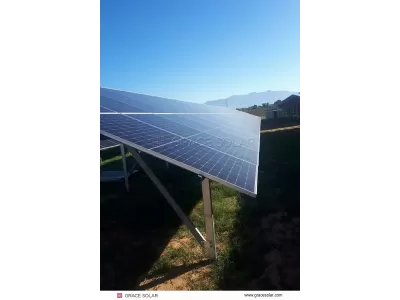
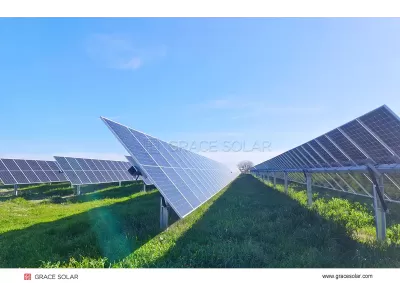
- Aesthetics & Curb Appeal: Design integration is crucial. A sleek, low-profile installation is preferable. Professional solutions, like those offered by Grace Solar, focus on clean aesthetics that blend with the environment.
- Higher Initial Investment: Installation can cost 20-35% more due to site preparation, racking, and trenching. The superior long-term output and reliability must justify this cost.
3. Key Factors That Determine the Value Added
The value premium is not automatic. It hinges on specific conditions that appraisers and buyers evaluate closely.
The Non-Negotiable: System Ownership
This is the most critical factor. Only owned systems add reliable, appraisable value.
- Owned (Cash or Loan): The system is a permanent asset of the home. All positive studies reference owned systems.
- Leased or PPA: These are long-term contracts, not assets. They often complicate sales, require buyer credit approval, and do not increase appraised value. Buying out the lease before selling is frequently recommended.
Other Major Influencing Factors
- Location & Electricity Rates: High-cost regions (e.g., California, Japan, parts of Europe and Australia) see the highest premiums.
- System Size, Age & Condition: A newer, larger, well-maintained system under warranty is most valuable. Documented production history is a strong selling point.
- Quality of Installation & Components: The durability and performance of the entire system, especially the mounting structure, are foundational to long-term value and low maintenance.
- Local Market Perception & Incentives: Education may be needed in areas where solar is less common. Active state or local incentives can boost perceived value.
- Property Tax Implications: Many jurisdictions offer property tax exemptions for renewable energy additions, ensuring the increased home value doesn't lead to higher taxes.
4. How to Ensure Your Solar Investment Maximizes Home Value
Start with a Foundation Built to Last
The financial promise of a solar array is only as good as its physical foundation. A ground-mounted system faces decades of environmental stress from wind, snow, and corrosion. Compromising on the mounting structure risks reduced efficiency, costly maintenance, and even system failure—eroding any potential value add and becoming a liability.
This is where engineering excellence matters. As a global leader in solar mounting solutions, Grace Solar understands that the mount is the unsung hero of every successful project. Our GS-Smart ground mounting system is engineered for maximum stability, corrosion resistance, and adaptability to diverse terrains. With a track record of supporting over 48GW of global installations and certifications from UL, TUV, and rigorous wind tunnel testing, we ensure your investment is built to endure. Choosing a robust system from an experienced provider like Grace Solar is the first step in safeguarding your property's new asset.
Action Steps for Homeowners: From Installation to Sale
- Choose Quality & Professional Installation: Partner with certified installers who use bankable equipment. This ensures performance, provides confidence to future buyers, and secures valid warranties.
- Keep Impeccable Documentation: Maintain a dedicated file with all contracts, warranties, permits, schematic diagrams, and annual production records. This transparency is invaluable during a home appraisal and sale.
- Get a Competent Appraisal: Use an appraiser familiar with the "income approach" for valuing solar homes. Provide them with your documentation to ensure the system's income-generating potential (via savings) is properly calculated into your home's value.
- Market the Savings, Not Just the Panels: When selling, highlight annual and lifetime electricity savings in dollar terms. Create a simple one-page fact sheet for buyers that shows current production and estimated future savings.
Address Potential Buyer Concerns Proactively
Be prepared to answer common questions:
- "What happens if the system needs repair?" – Point to the transferable manufacturer and installer warranties.
- "Is it insured?" – Confirm the system is included in your homeowner's insurance policy.
- "How much will it really save me?" – Use your historical utility bill comparisons to provide realistic estimates.
5. Conclusion: A Smart Investment for the Future
So, do ground-mounted solar panels increase home value? The evidence from markets worldwide confirms that they can be a significant value-adding investment, particularly when the system is owned, optimally designed, and professionally installed.
By offering superior energy yield, easier maintenance, and avoiding roof-related constraints, ground-mounted systems present a compelling option for suitable properties. The key to unlocking this value lies in mindful planning: prioritizing ownership, investing in quality components—starting with a durable mounting system from a trusted partner—and maintaining clear records.
For homeowners looking to make a long-term investment in their property and energy independence, a well-executed ground-mounted solar array stands as a modern upgrade that pays dividends through utility savings today and a stronger competitive position in the real estate market of tomorrow.
About Grace Solar: As part of the BYMEA Group, Grace Solar is a leading global provider of smart solar mounting solutions. With over a decade of experience, a cumulative installed capacity of 48GW, and a presence in more than 100 countries, we are committed to providing the most trustworthy products and services. Our mission is to mount every solar plant firm as a rock, helping homeowners and developers worldwide secure more profits from the sun. Explore our integrated Solar Solutions for your next project.
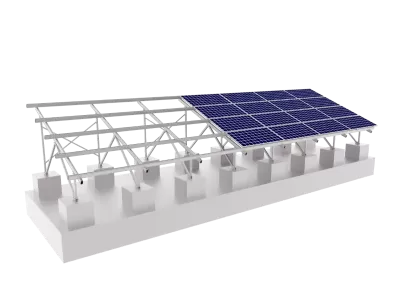
/Aluminum%20alloy%20solar%20ground%20mount%20system%20for%20residential%20solar%20panels-400x300w.webp "A-Type Ground Mounting System - Landscape Placement (Aluminum Alloy)")
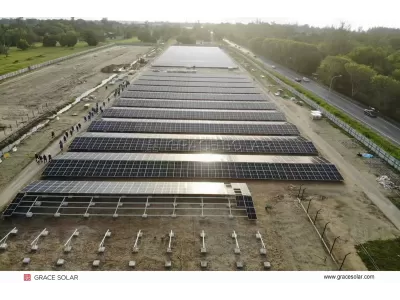
/Modular%20ground-mounted%20solar%20structure%20with%20corrosion-resistant%20coating-400x300w.webp "A-Type Ground Mounting System - Landscape Placement (Aluminum Alloy)")
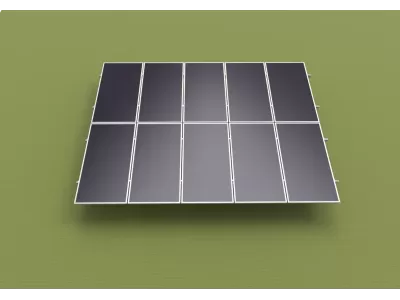
/Adjustable%20tilt%20angles%20on%20Grace%20Solar%20landscape%20mounting%20system-400x300w.webp "VV-Type Ground Mounting System - Landscape Placement ( Aluminum alloy )")
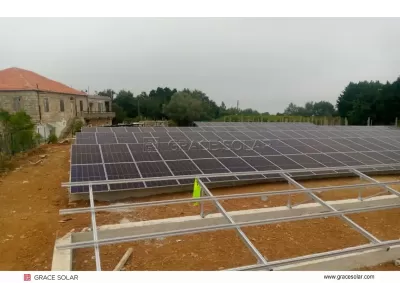
/Commercial-scale%20solar%20farm%20using%20VV-Type%20landscape%20placement-400x300w.webp "VV-Type Ground Mounting System - Landscape Placement ( Aluminum alloy )")
/N-Type%20Aluminum%20Solar%20Ground%20Mounting%20System%20with%20Adjustable%20Tilt-400x300w.webp "N-Type Ground Mounting System - Landscape Placement ( Aluminum alloy )")
/Residential%20Ground%20Mount%20System%20with%200-60°%20Tilt%20Adjustment-400x300w.webp "N-Type Ground Mounting System - Landscape Placement ( Aluminum alloy )")
/W-Type%20aluminum%20solar%20mounting%20system%20structural%20detail-400x300w.webp "W-Type Ground Mounting System - Landscape Placement ( Aluminum alloy )")
/Ground%20screw%20foundation%20installation%20for%20Grace%20Solar%20racking-400x300w.webp "W-Type Ground Mounting System - Landscape Placement ( Aluminum alloy )")
/Adjustable%20solar%20ground%20mount%20system%20on%20snowy%20mountain%20with%2055%20Angle%20tilt_-400x300w.webp "Adjustable Ground Mounting System - Portrait Placement ( Carbon steel )")
/Engineer%20assembling%20Grace%20Solar's%20portrait%20ground%20mount%20in%20typhoon%20area_-400x300w.webp "Adjustable Ground Mounting System - Portrait Placement ( Carbon steel )")